-
THE STUDY
In recent years, there has been intensified interest from the Federal Government and State Education Departments in the acquisition of devices such as tablets and laptops, with increasing investments in this area.
But how are these mobile devices being integrated into public schools in Brazil? What are the interrelations between infrastructure, teacher training, and digital content production in the actions being implemented? What are some of the good practices being implemented across the country? What are the prospects for the future of integrating information and communication technologies into Brazil's educational system?
In order to answer these questions, the Center for Brazilian Studies at Columbia University, with support from IBOPE (Brazilian Institute of Public Opinion and Statistics) and funding from Qualcomm, carried out a qualitative study on mobile learning covering 6 cities - Brasília, Curitiba, Goiânia, Manaus, Rio de Janeiro, Salvador and São Paulo - located throughout Brazil's five regions.
The research included over 160 hours of recordings of interviews and focus groups with representatives from departments of education, IT directors, pedagogical directors, educational technology coordinators, primary and elementary school teachers from municipal and state schools, in addition to experts from the Ministry of Education, the National Fund for Educational Development, the private sector, and Non-Governmental Organizations (NGOs).
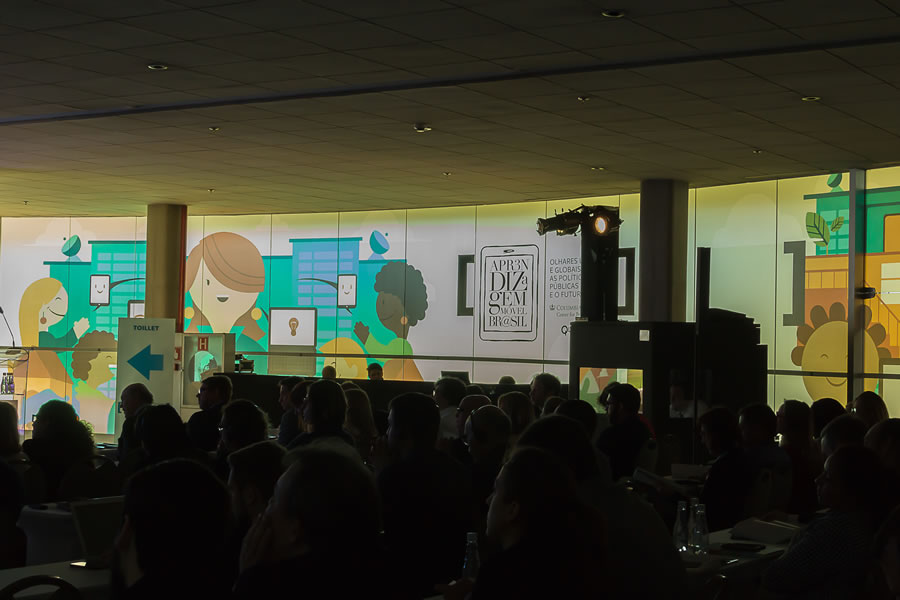
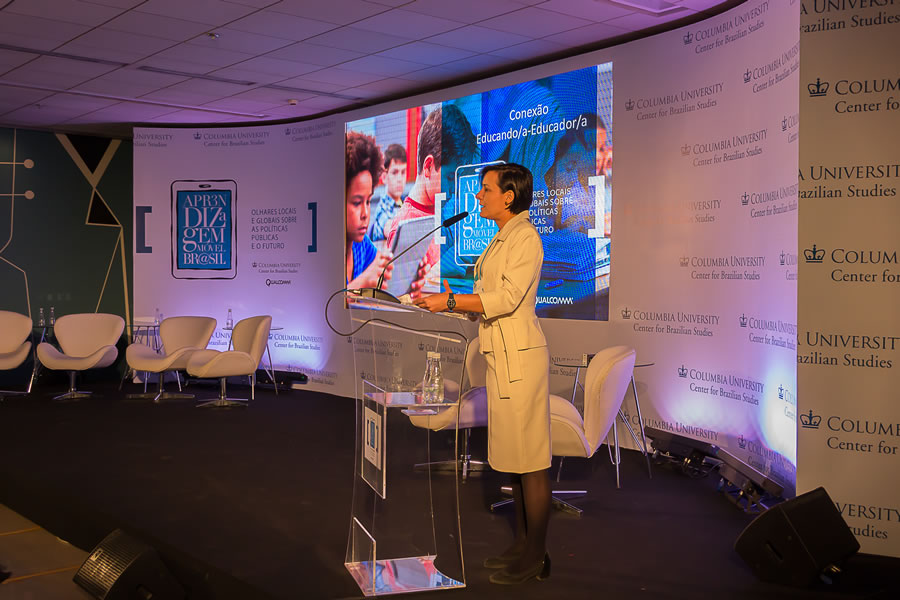
The report of this study will be launched on August 12th, 2015 at the conference on Mobile Learning in Brazil: local and global perspectives on public policies and their future.
Let's examine the current state of mobile learning in Brazil!
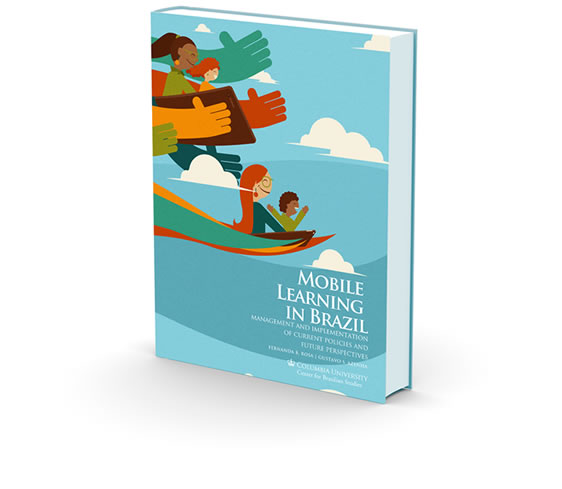
Download here the publication of research Mobile Learning in Brazil: management and implementation of current policies and future prospects
You can download the full publication here or chapters below if you prefer.
-
THE CONFERENCE
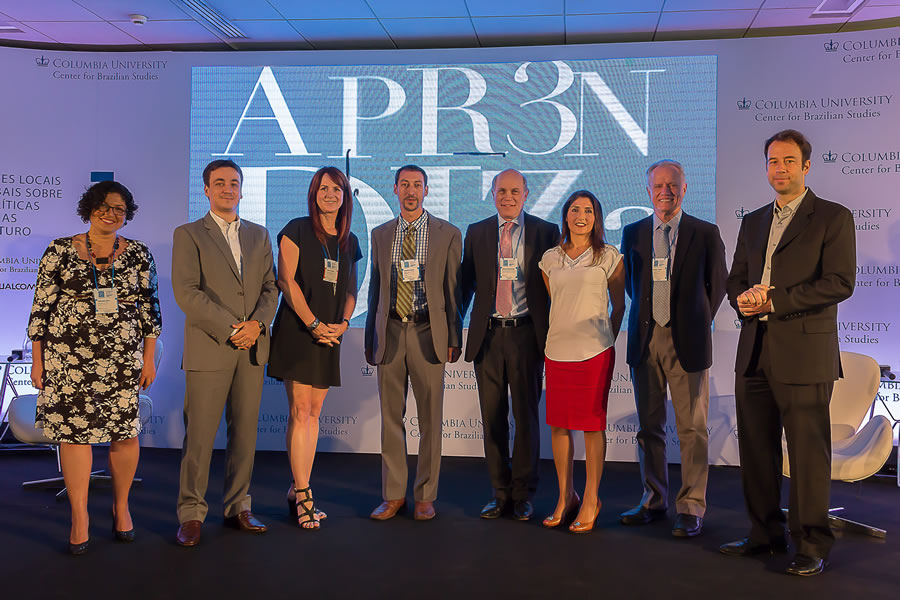
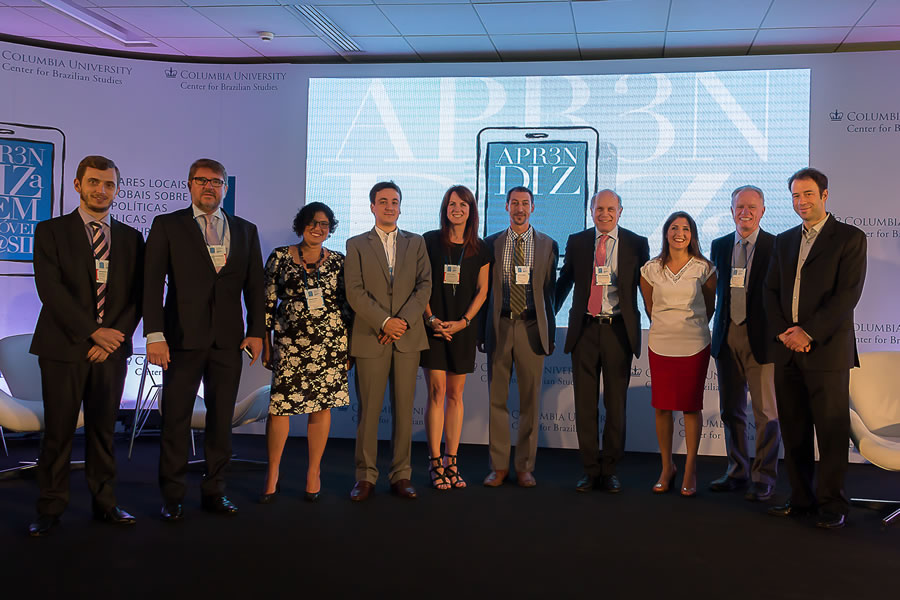
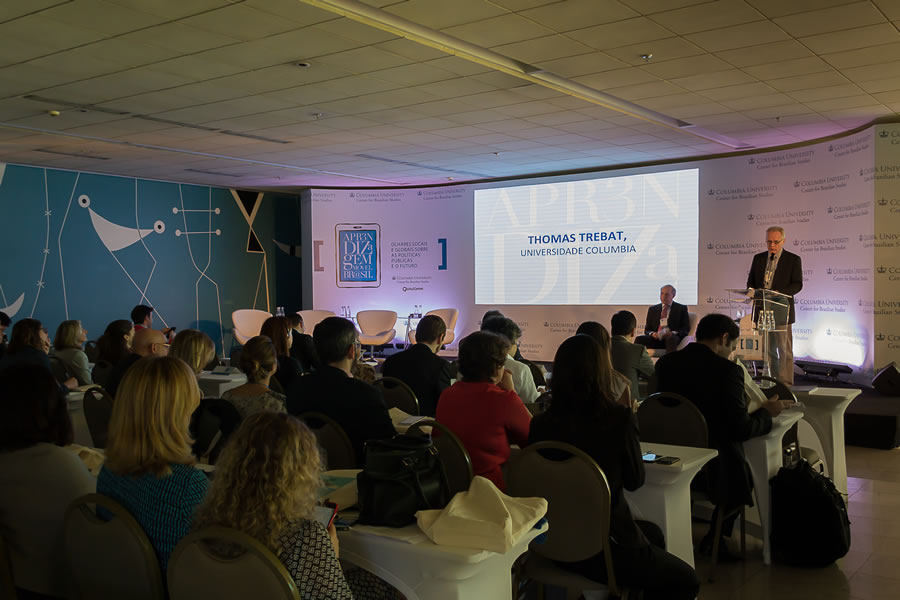
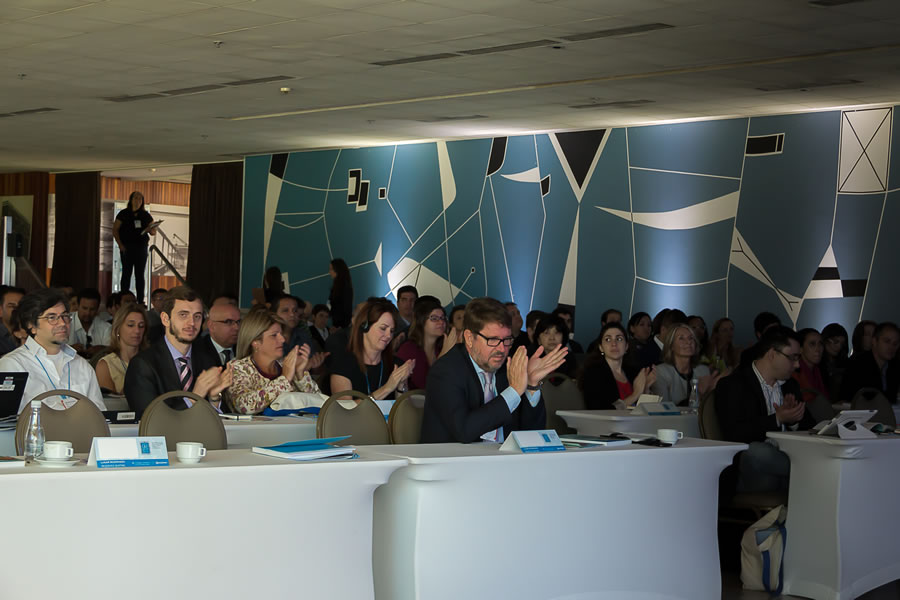
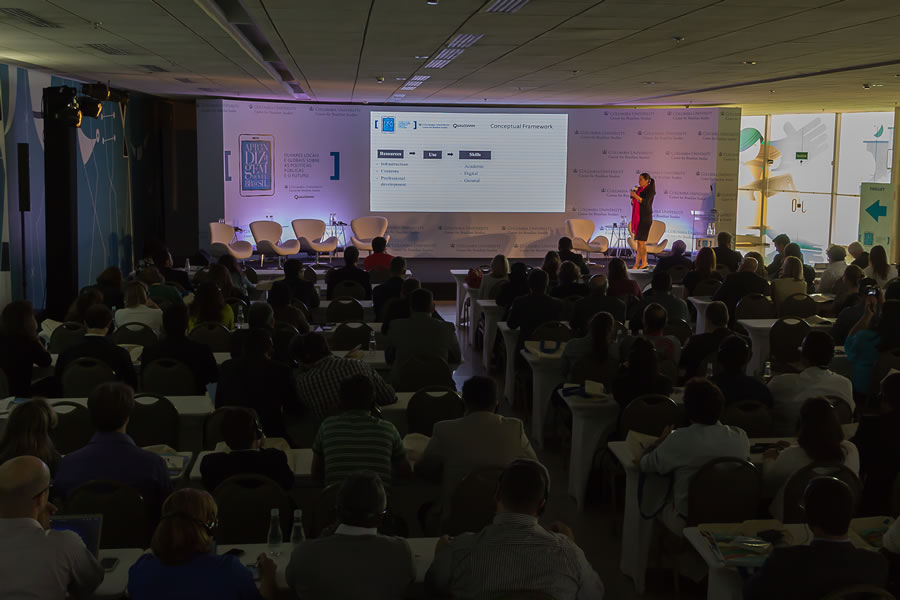
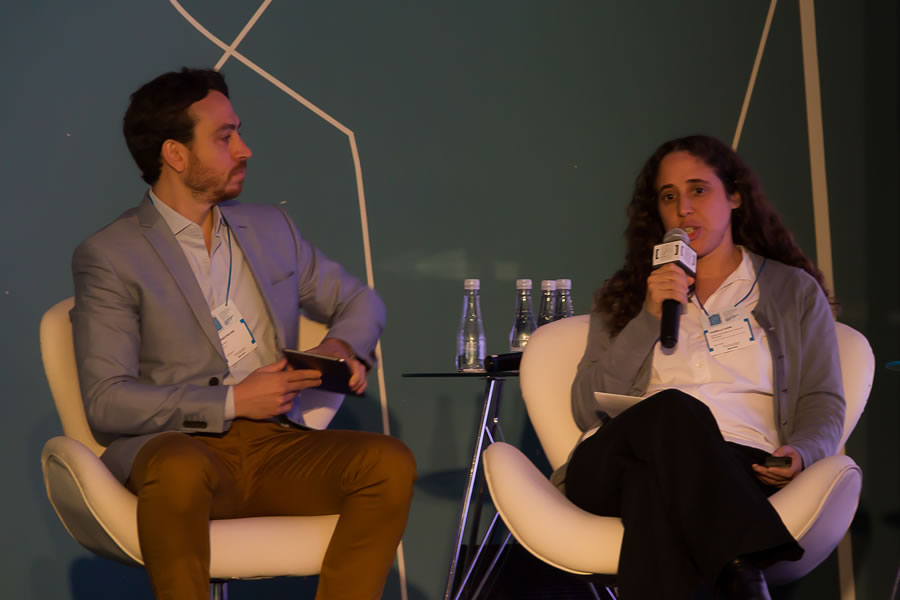
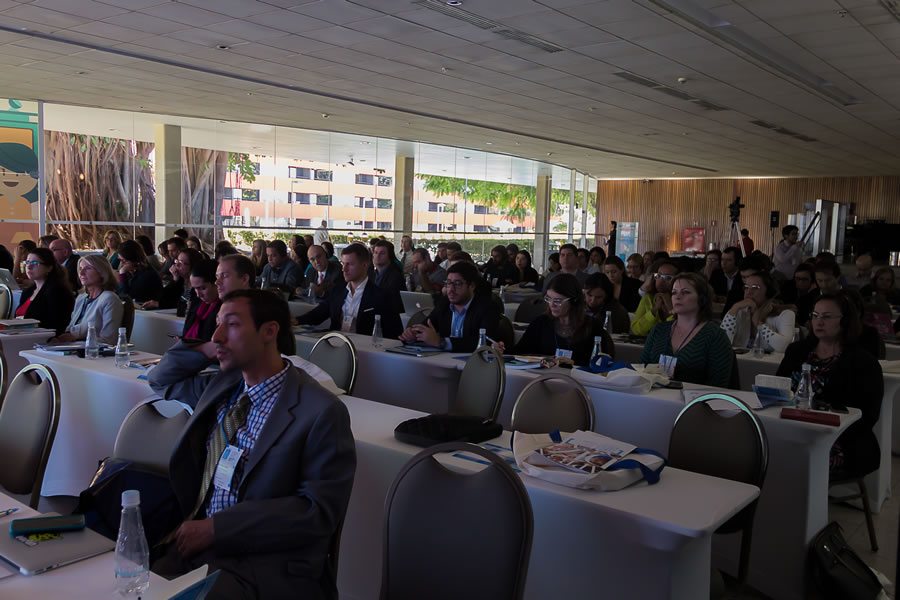
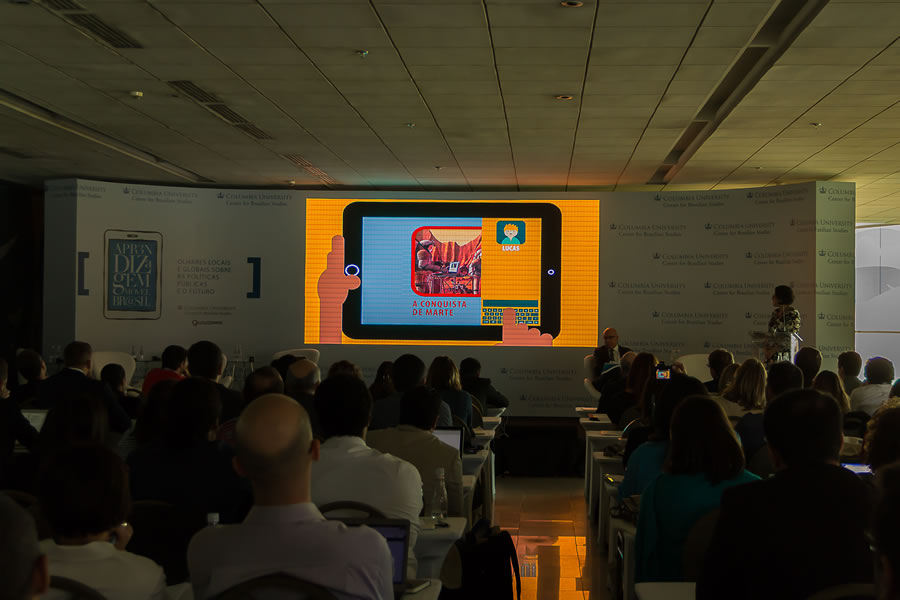
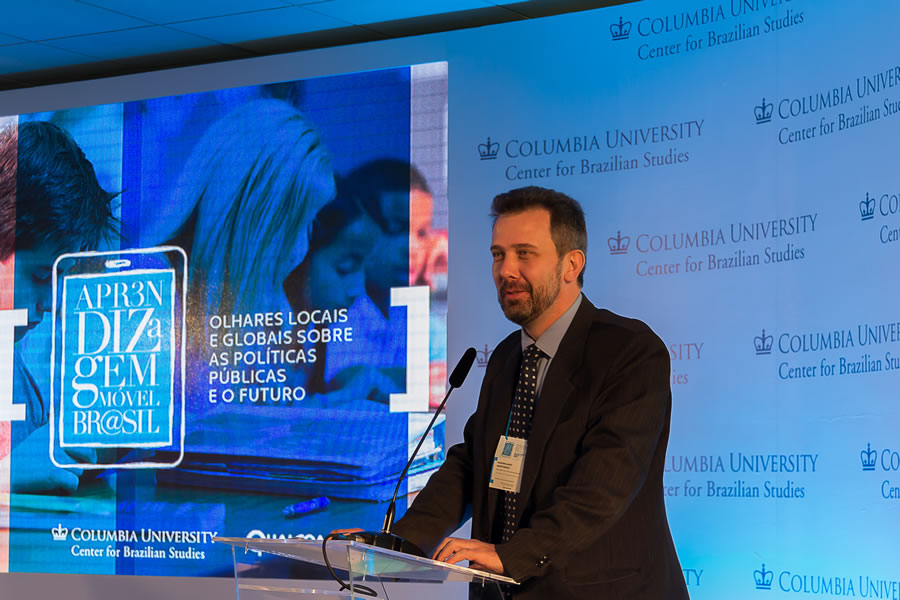
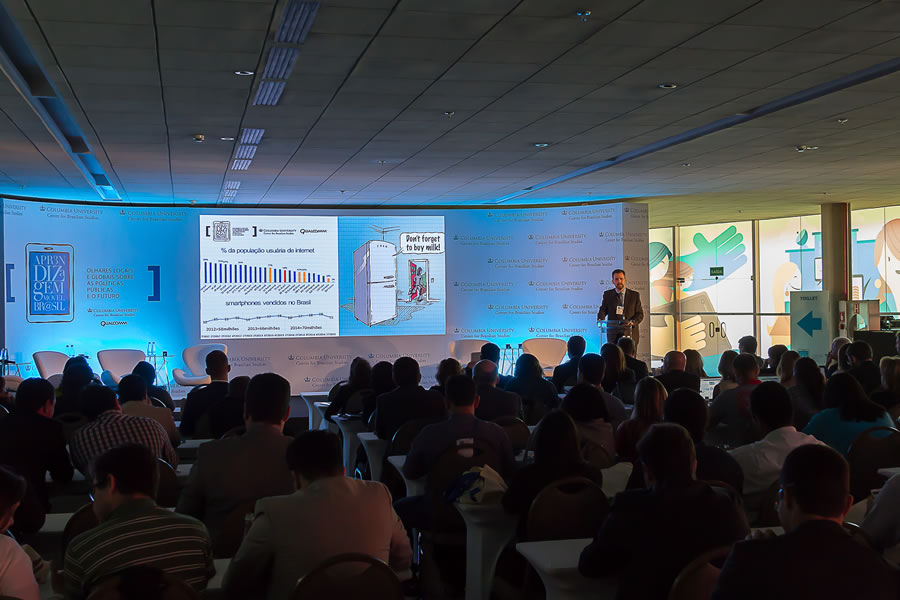
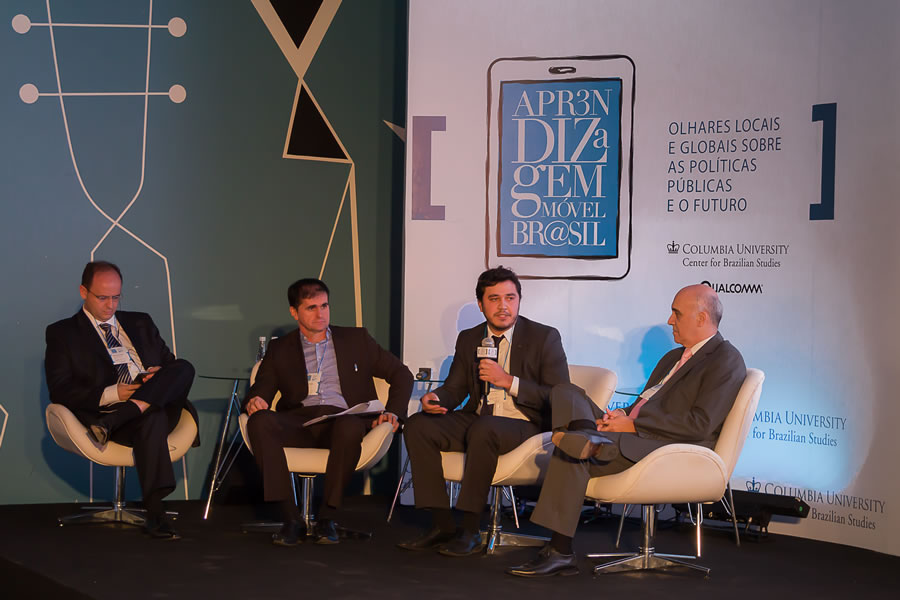
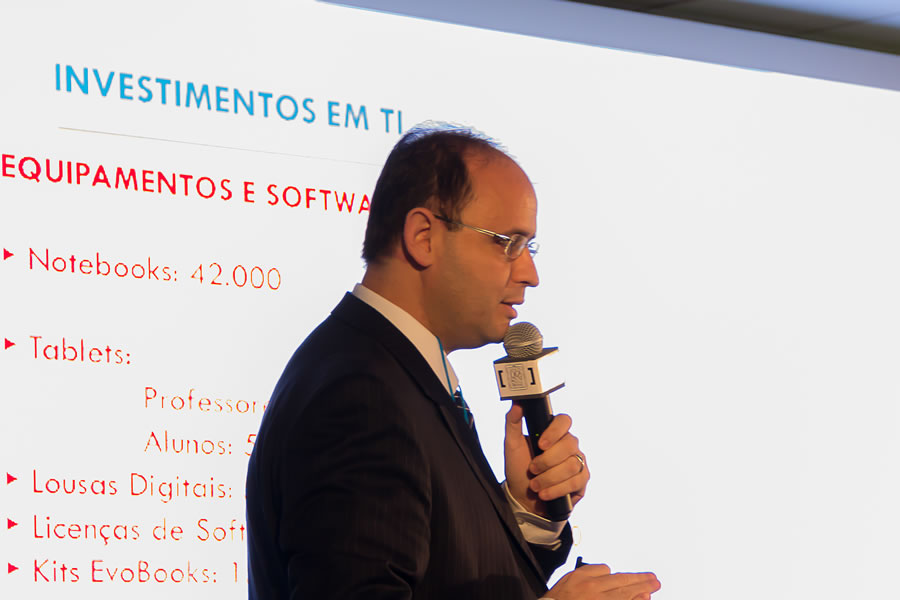
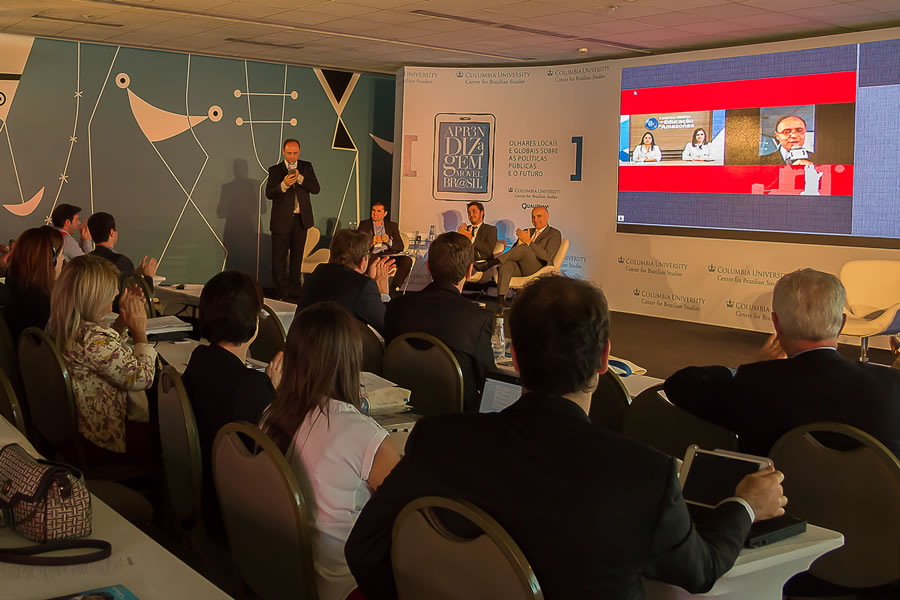
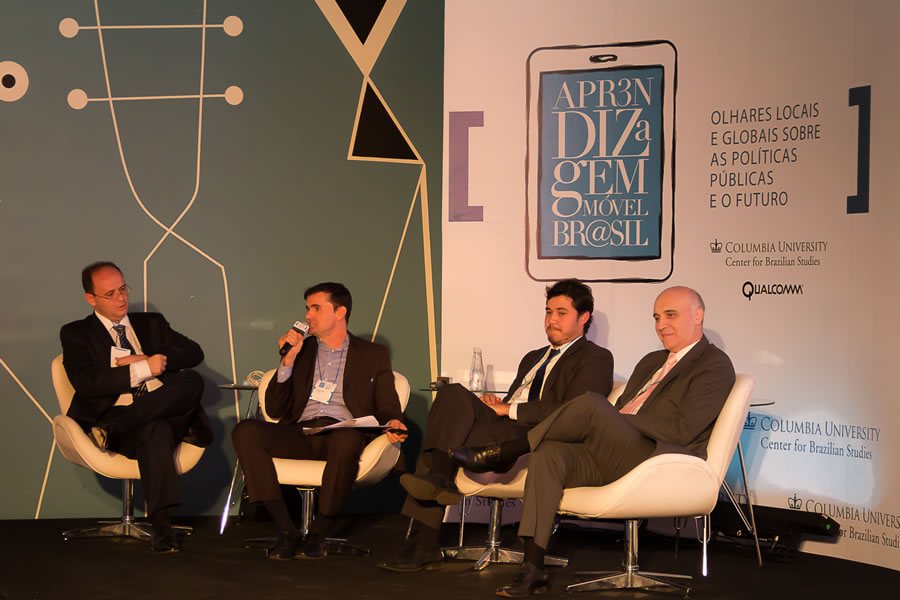
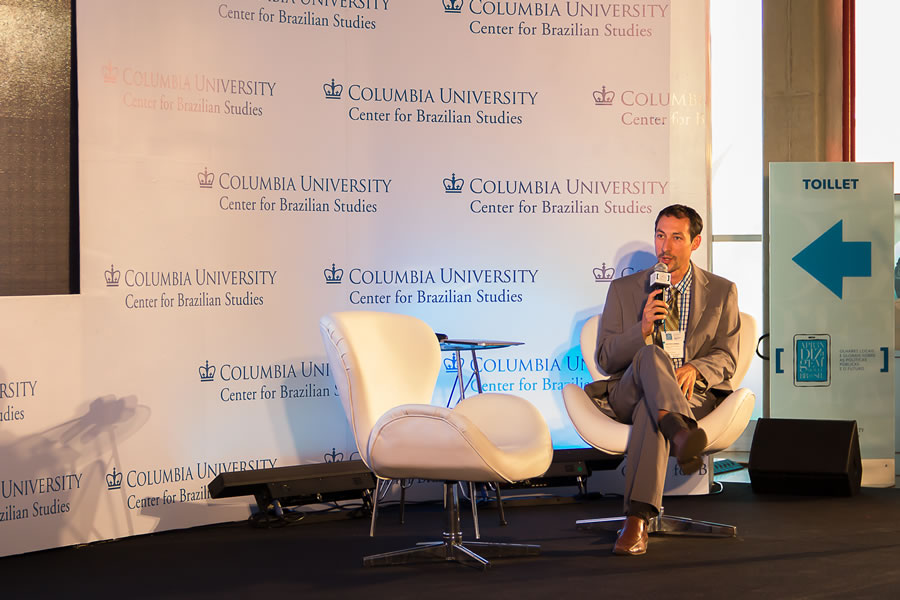
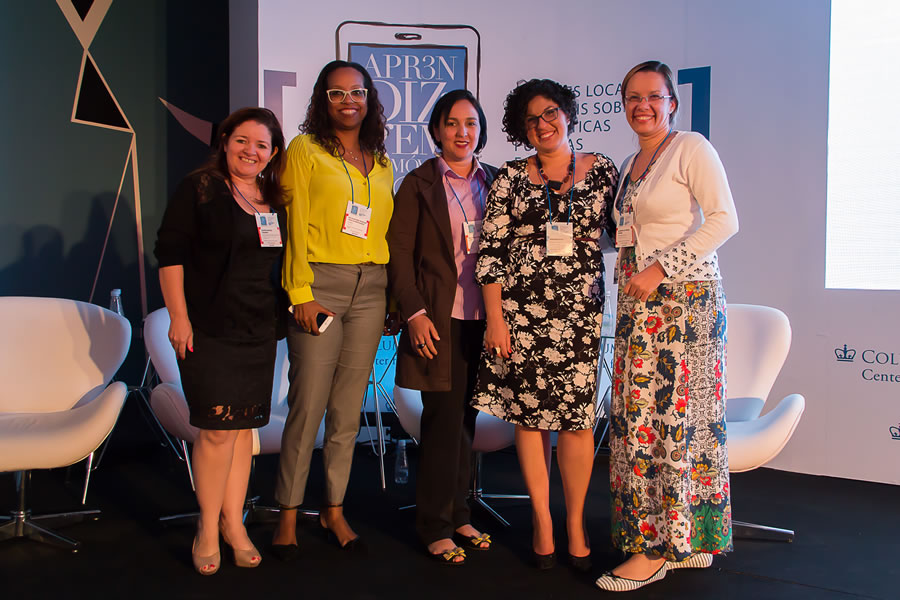
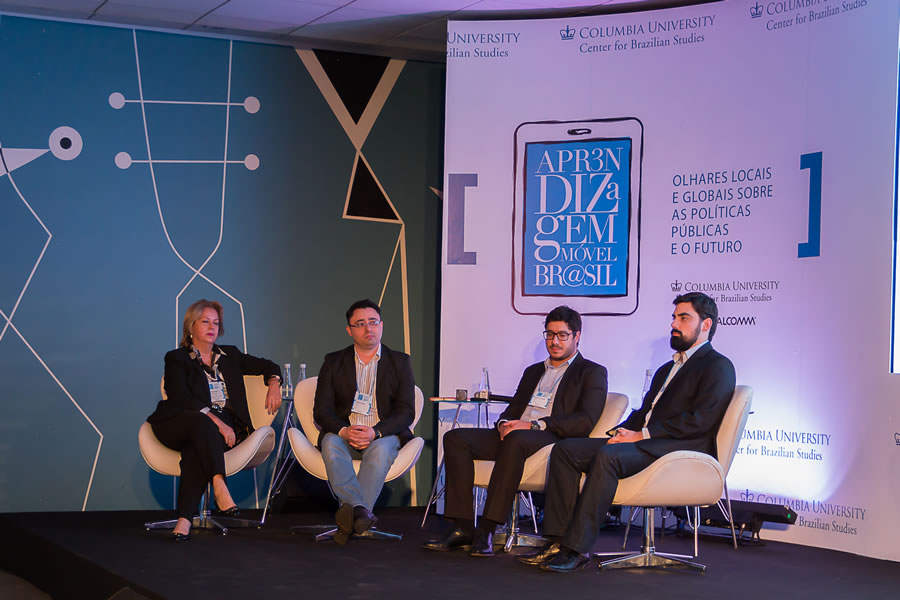
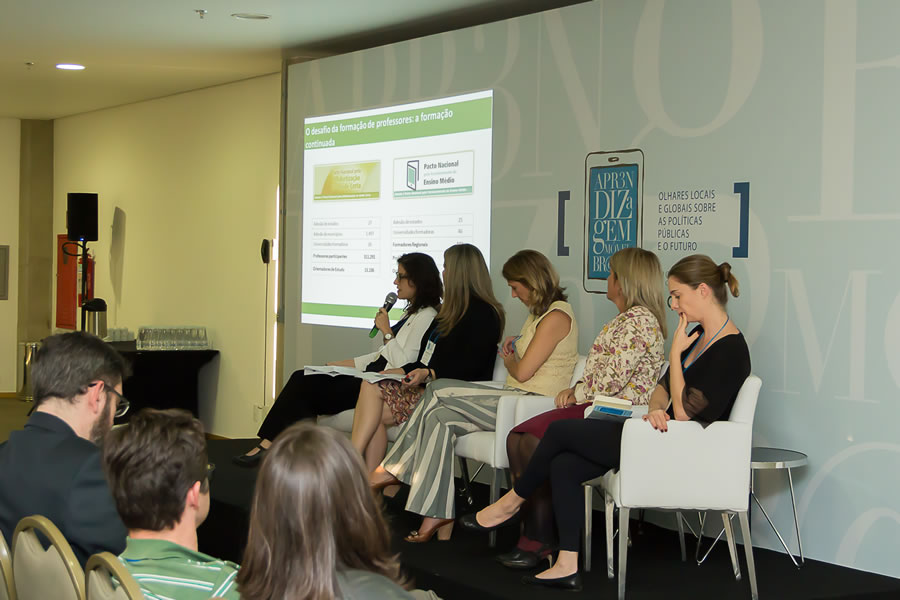
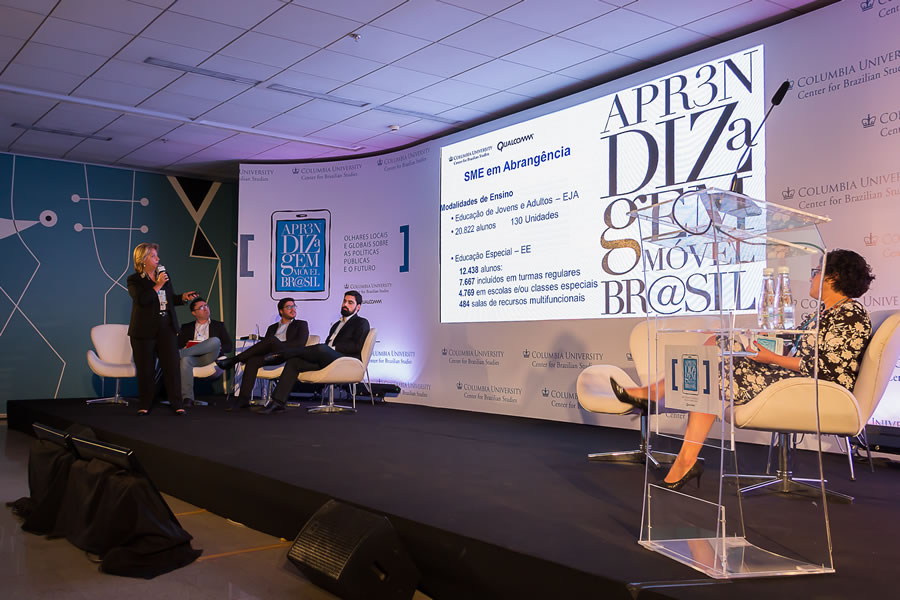
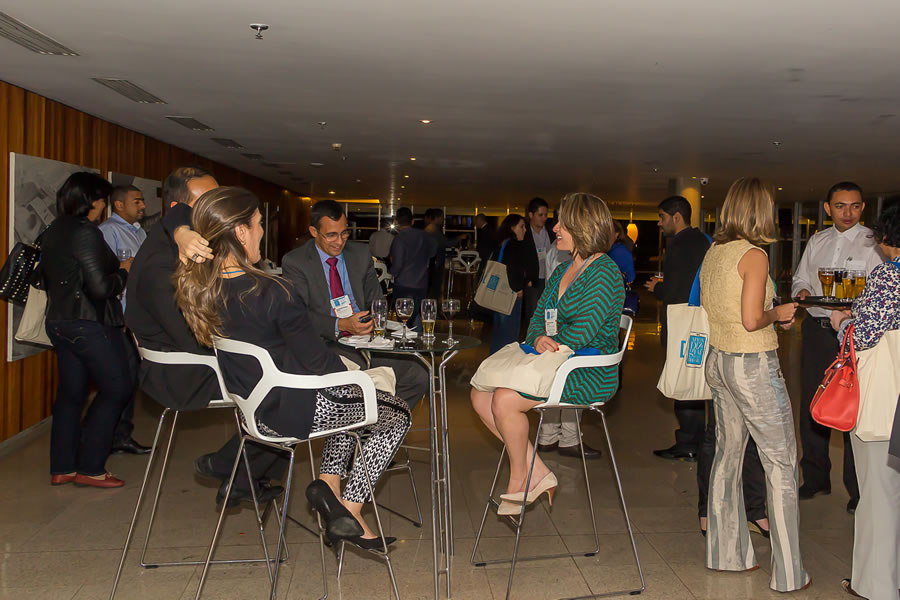
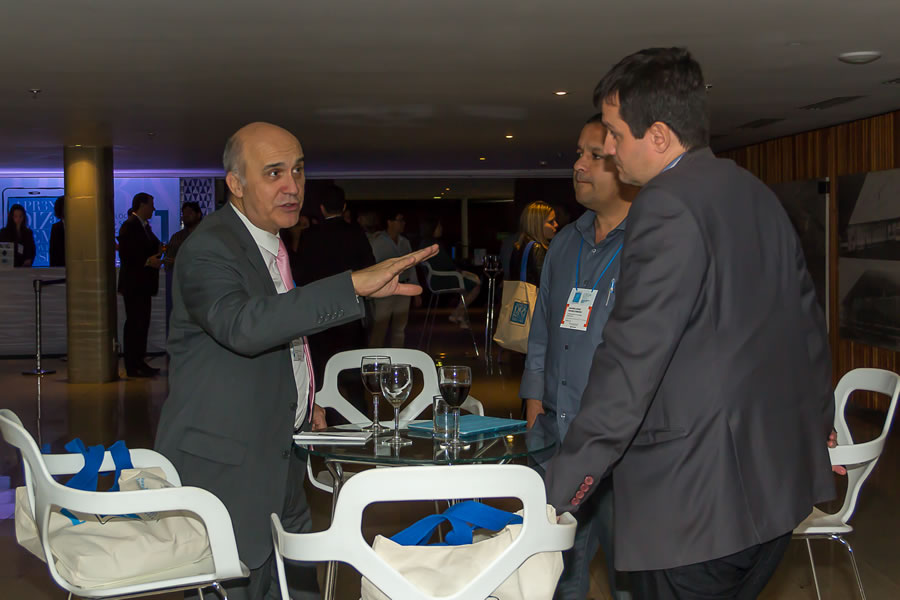
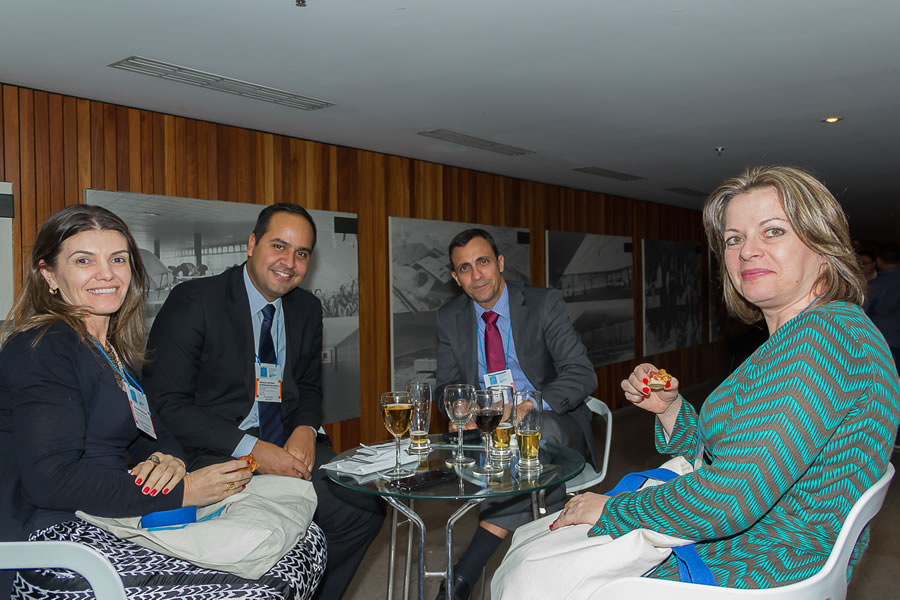
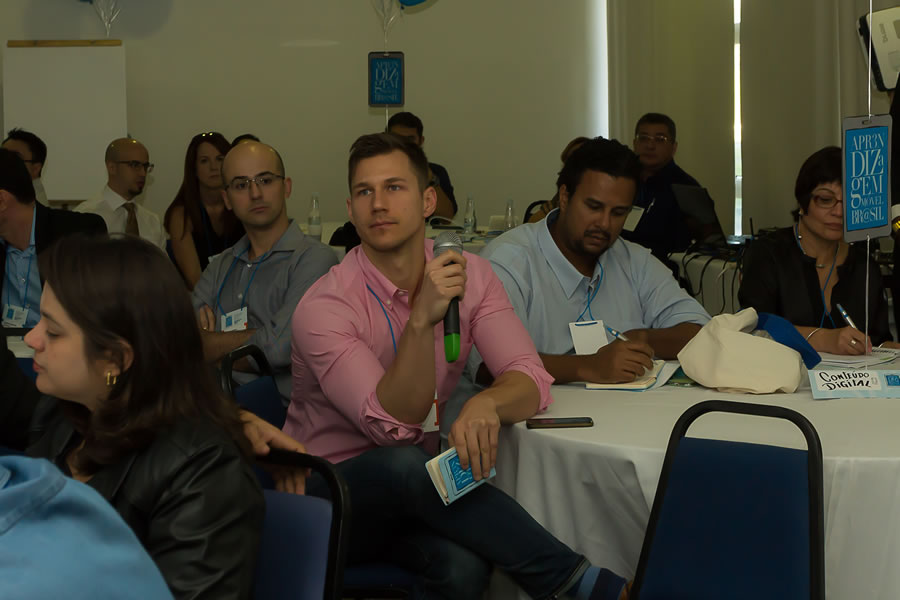
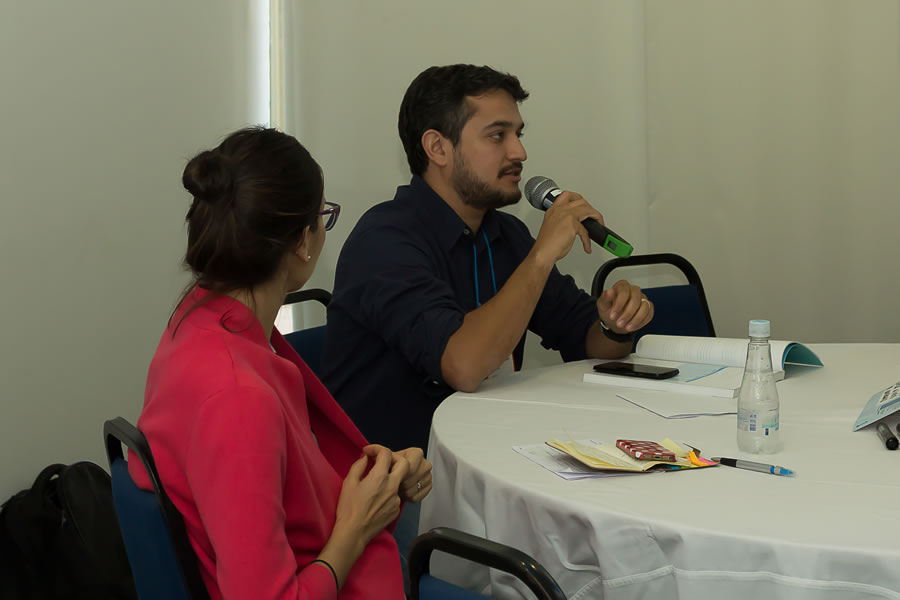
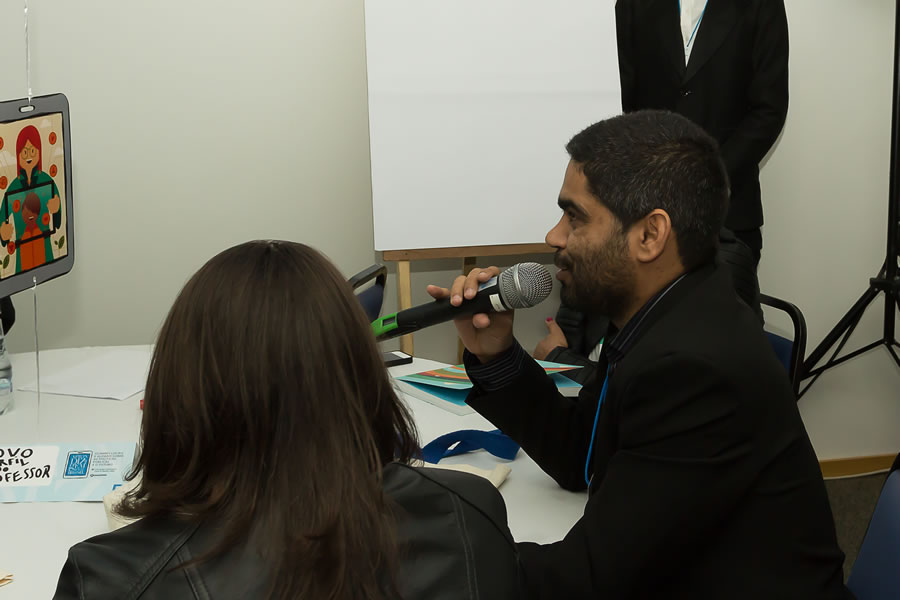
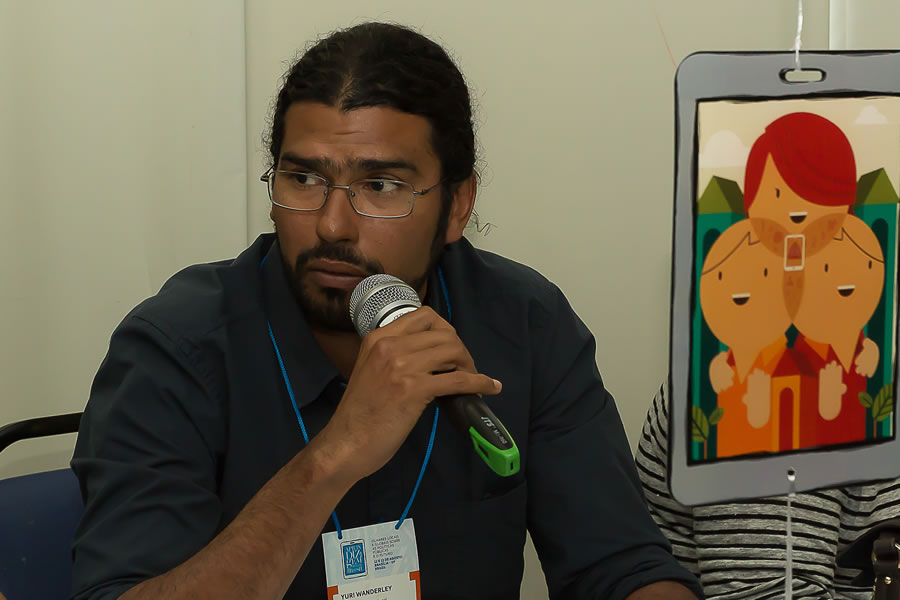
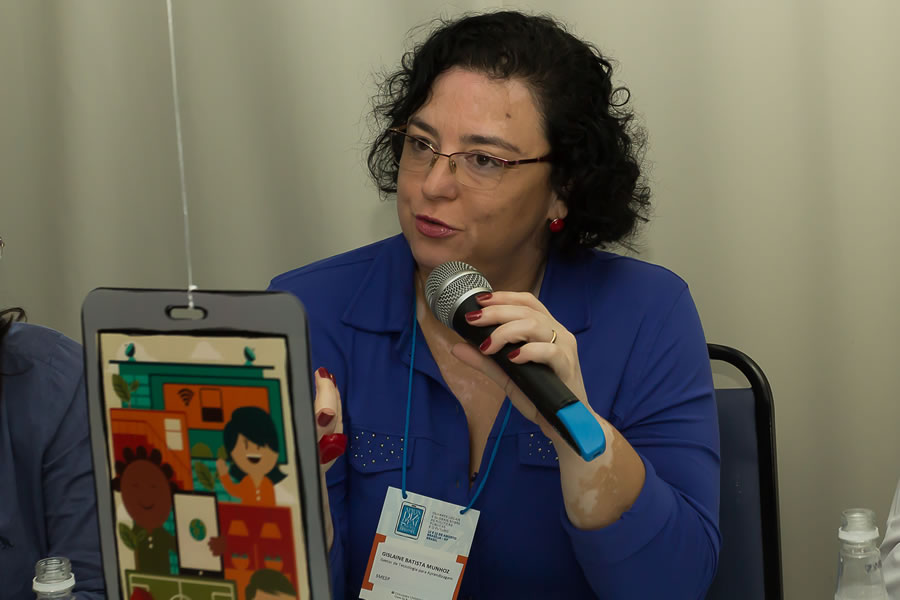
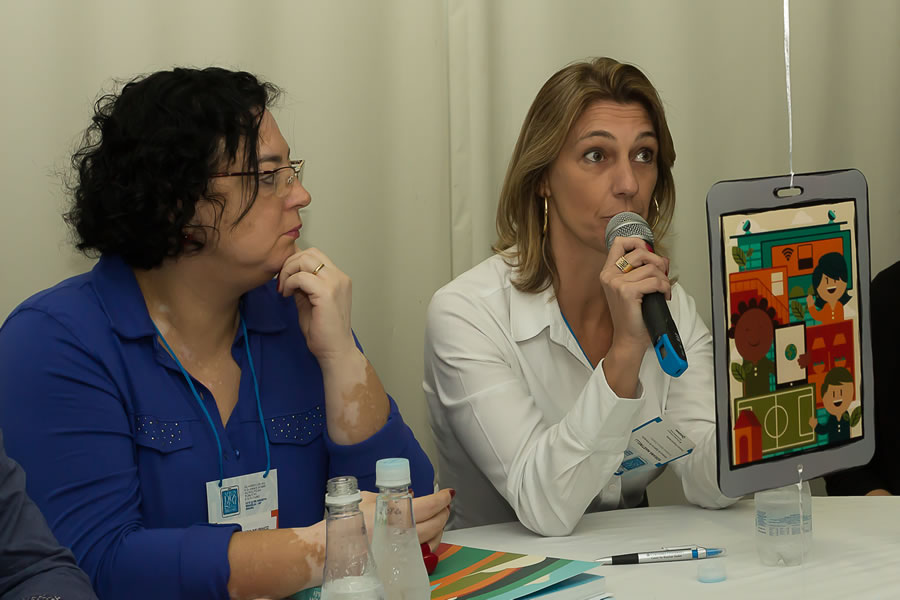
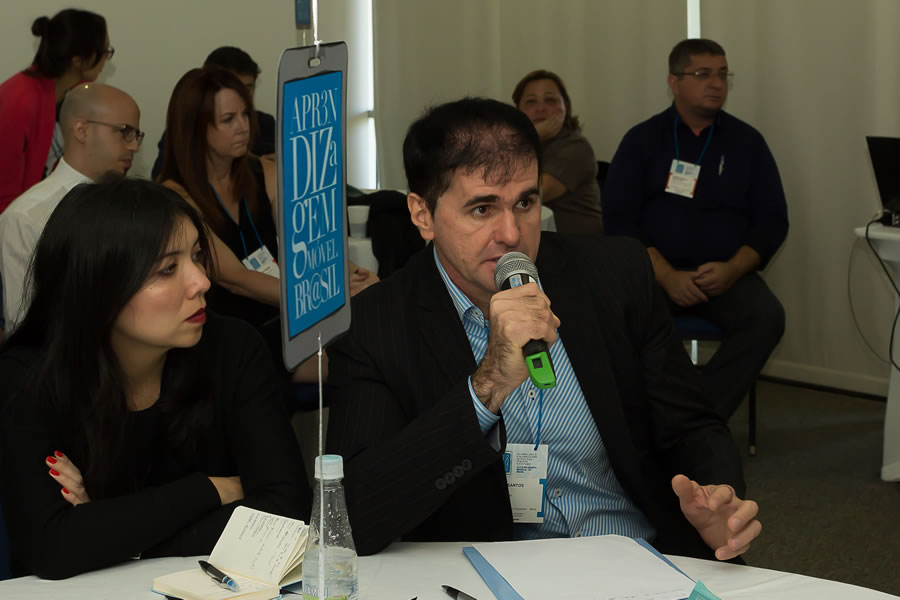
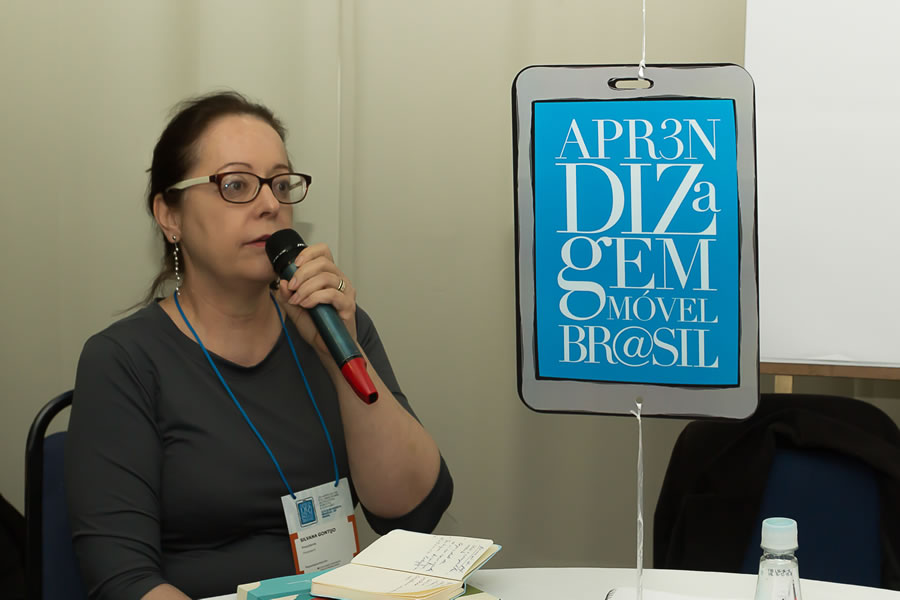
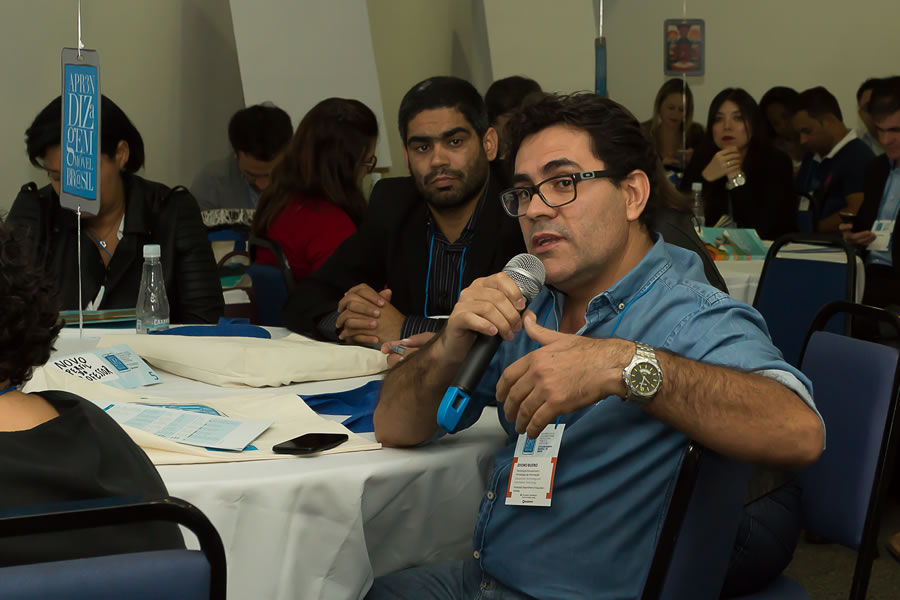
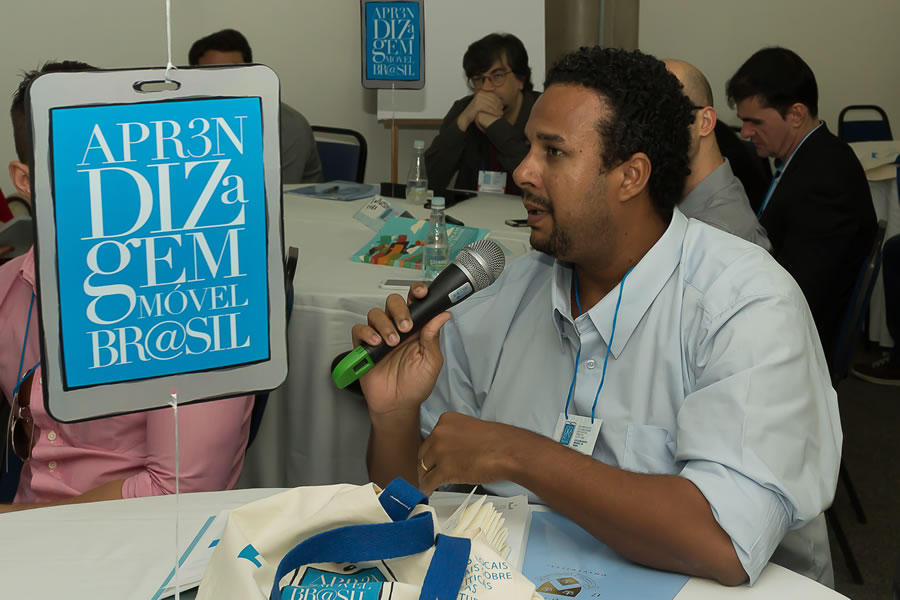
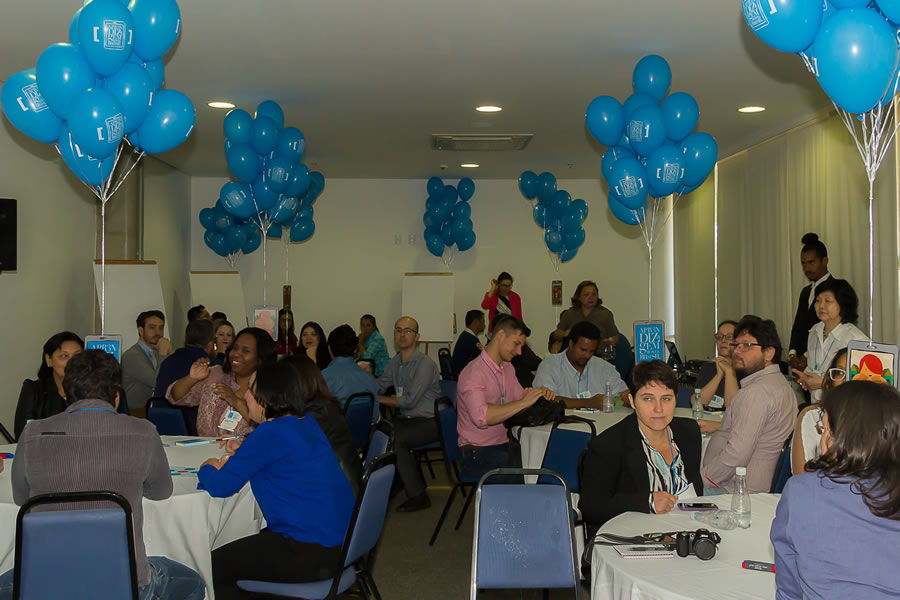
The purpose of the conference is to enable public managers, entrepreneurs and experts to discuss the experiences of successful mobile learning in other countries, as well as to discuss good practices developed in Brazil and the challenges for the future identified through Columbia University's study on the implementation of mobile technologies in public education in Brazil, to be launched on the occasion of the conference.
With activities scheduled to take place on the 12th and 13th of August, the event will bring together prominent experts, including Columbia University faculty, representatives from the World Bank, the Inter-American Development Bank (IADB) and UNESCO, as well as representatives from the Ministry of Education, the Ministry of Communication, and the National Fund for Educational Development. In addition, representatives of the Federal Legislative Branch, Departments of Education at municipal and state levels, telecommunication companies, entrepreneurs from education startups and NGOs focused on ICTs (information and communication technologies) in education.
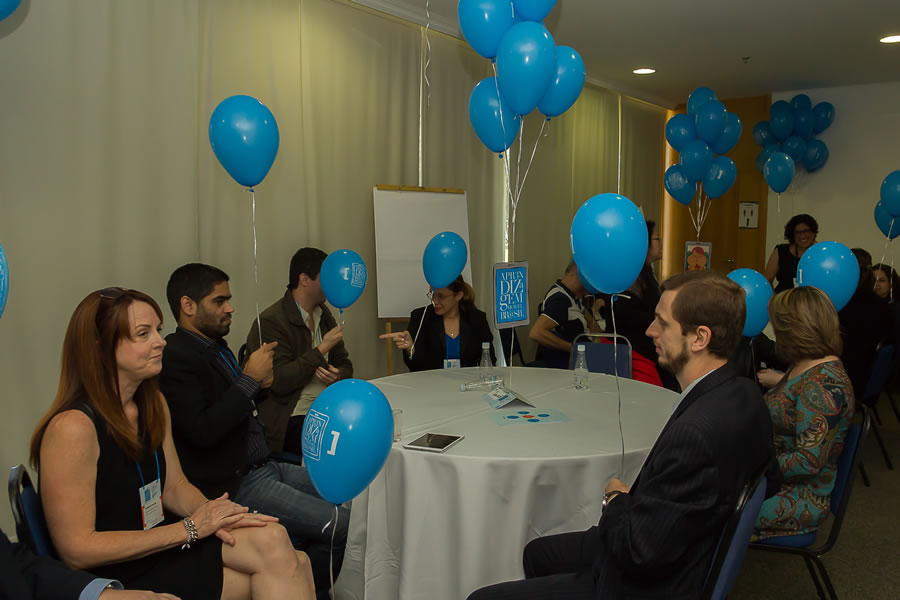
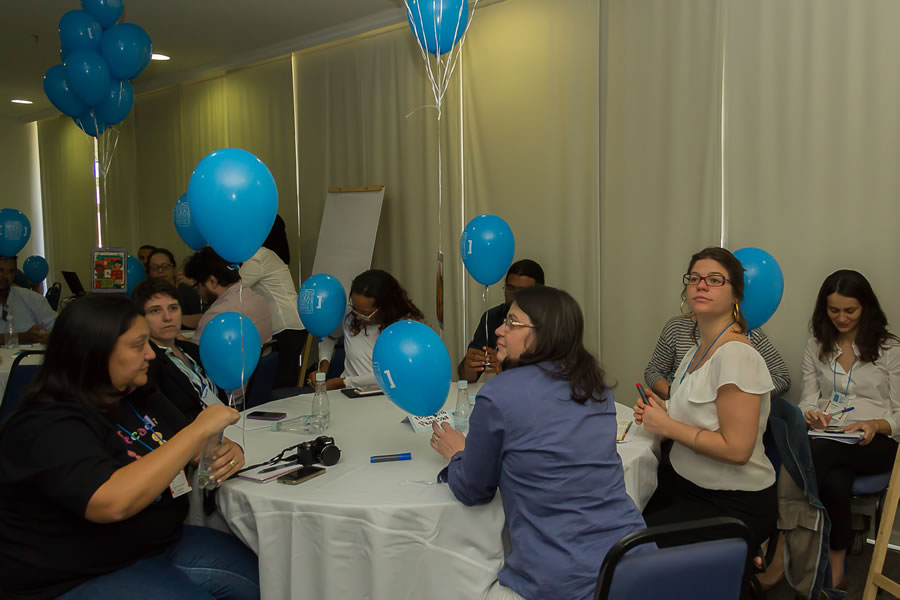
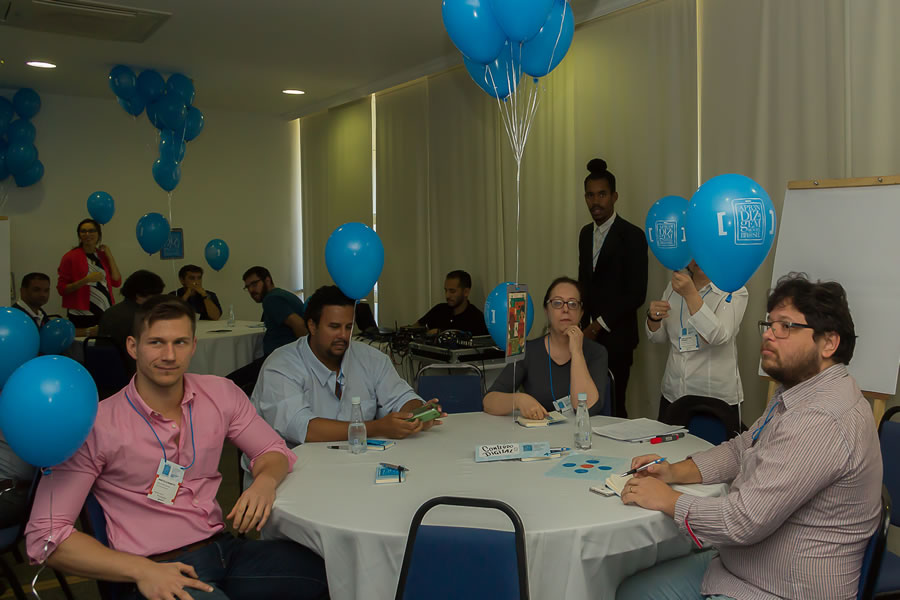
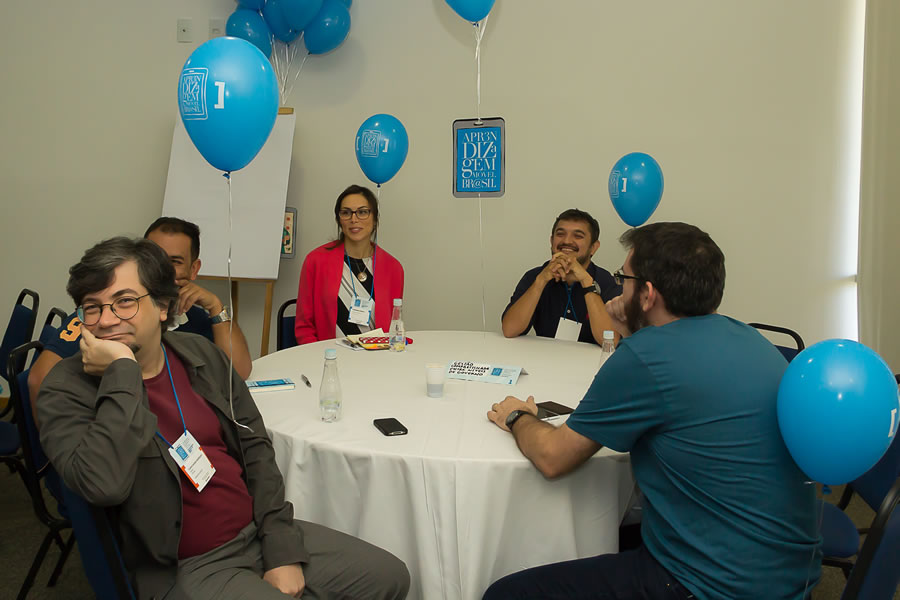
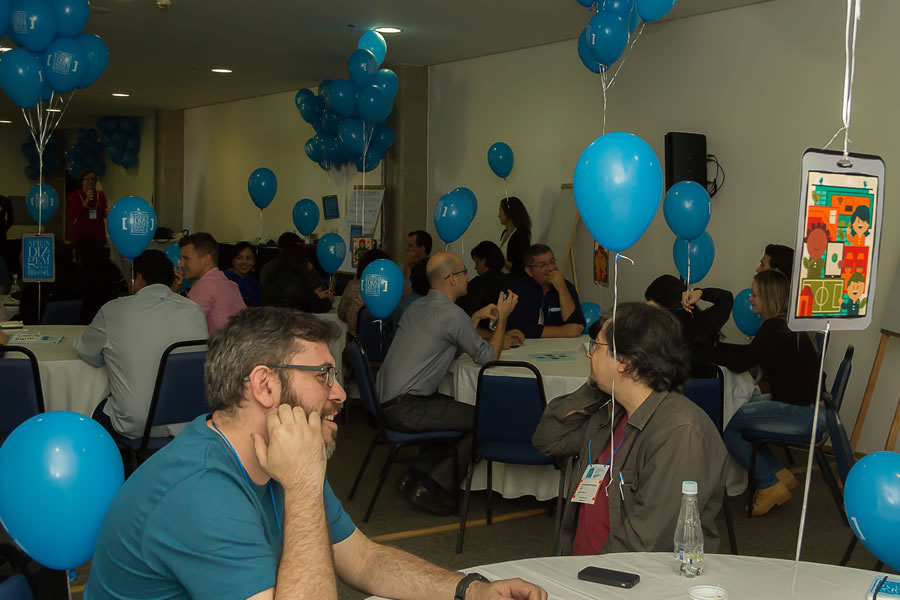
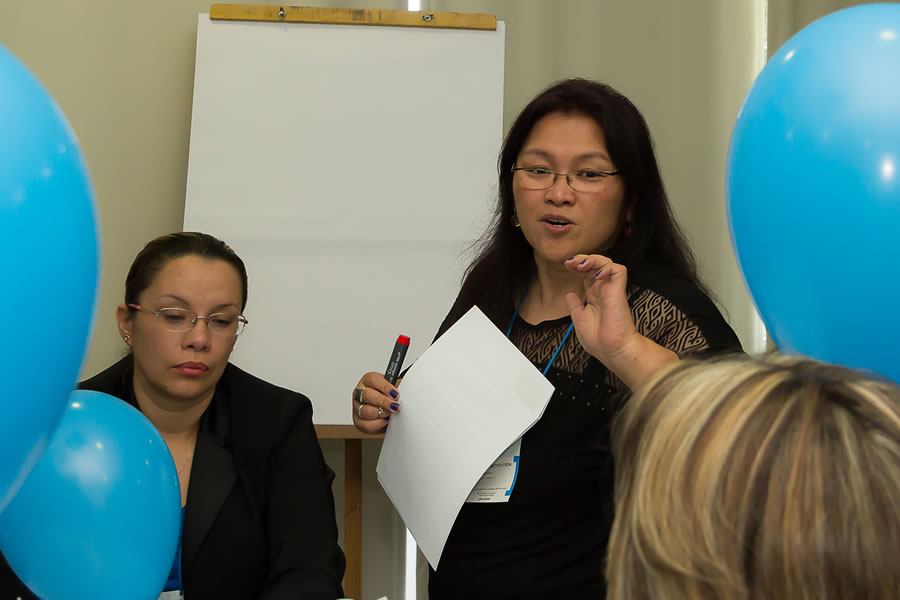
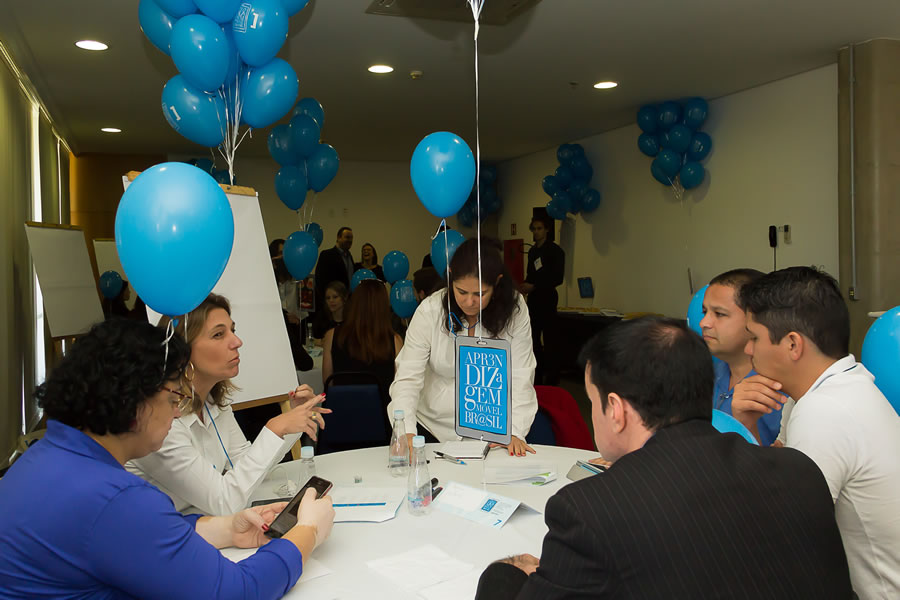
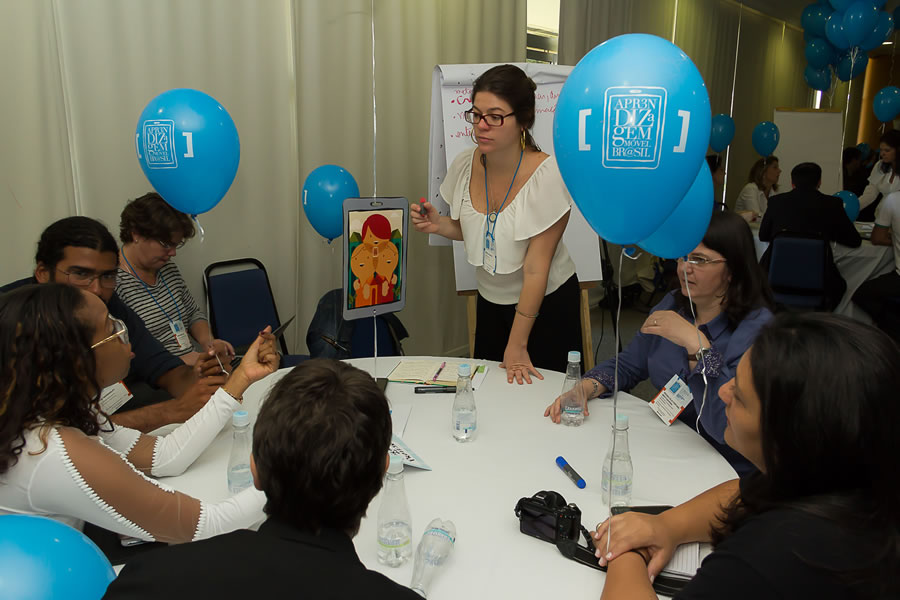
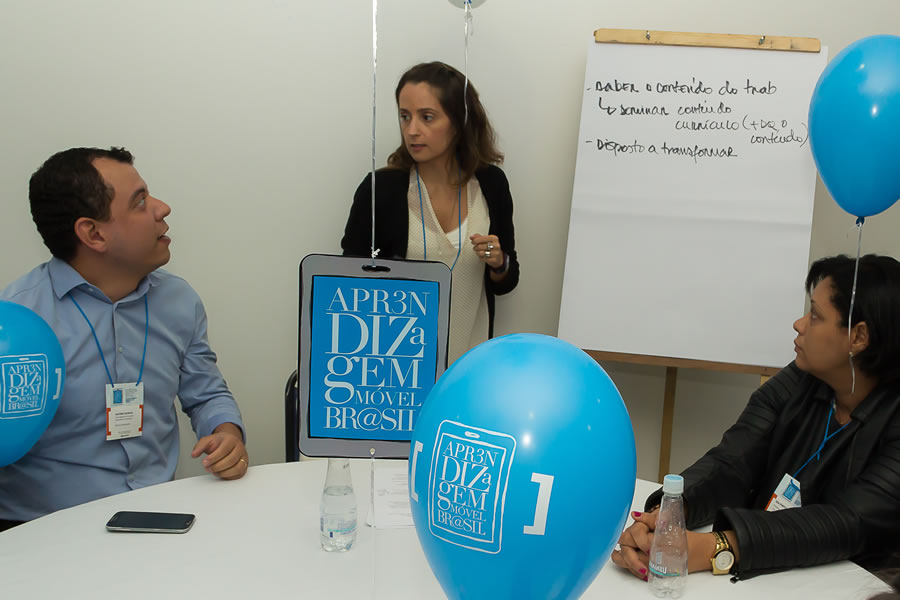
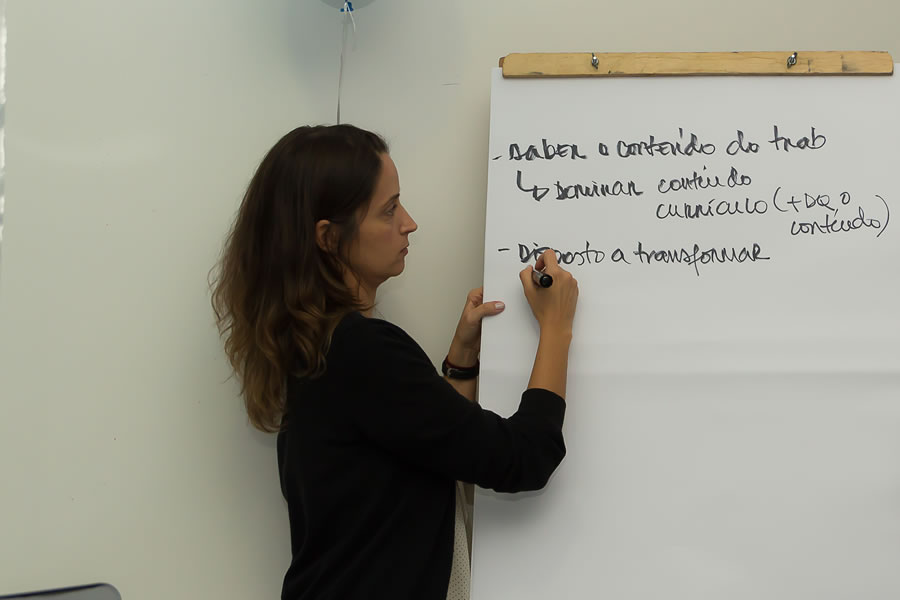
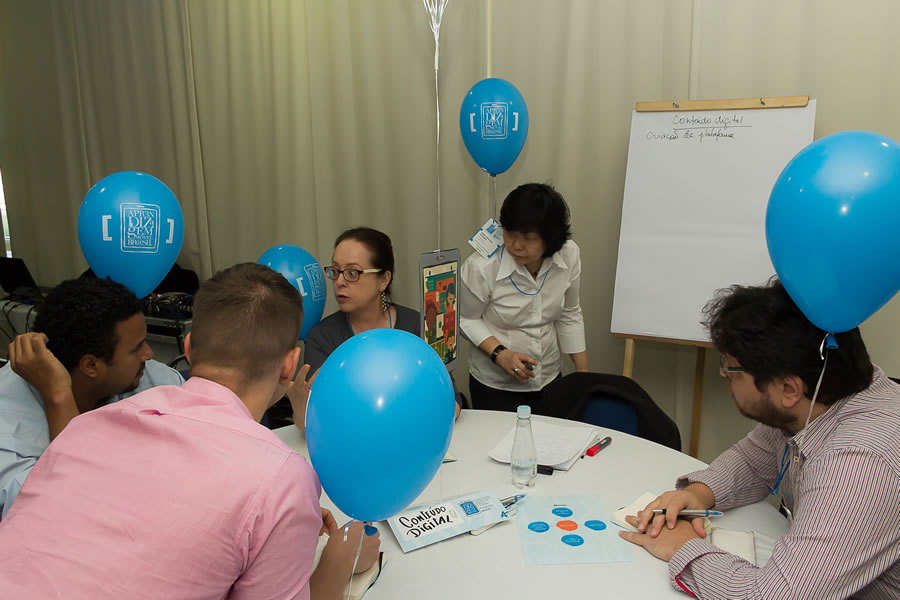
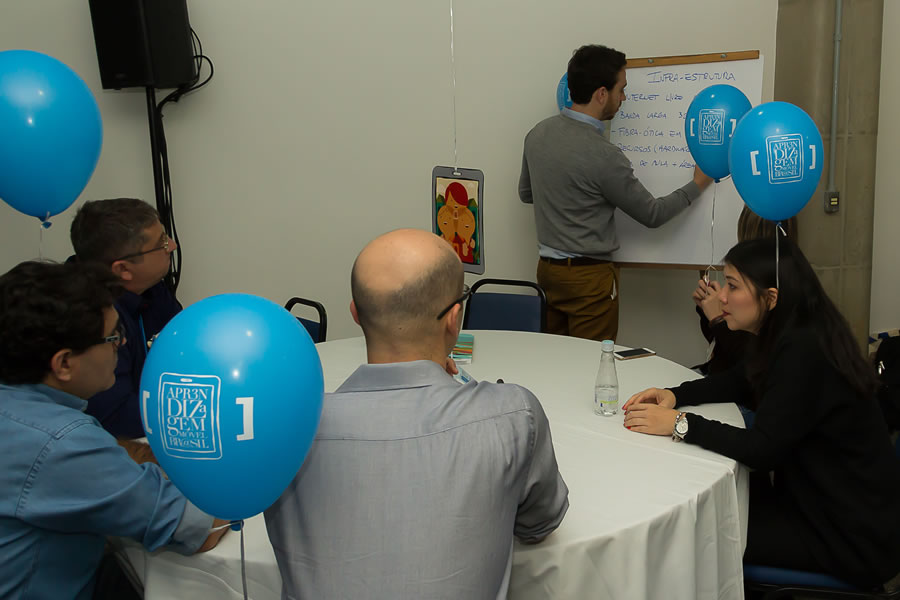
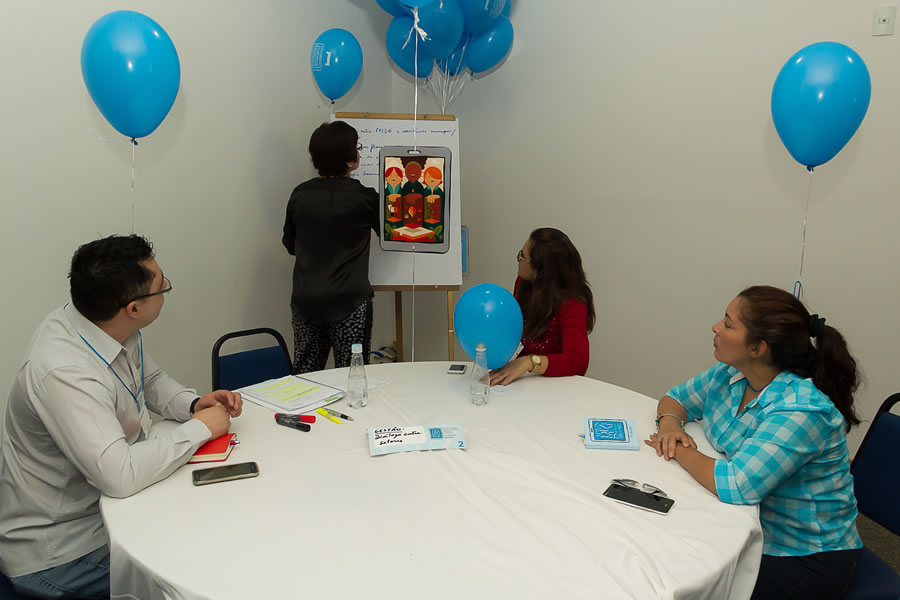
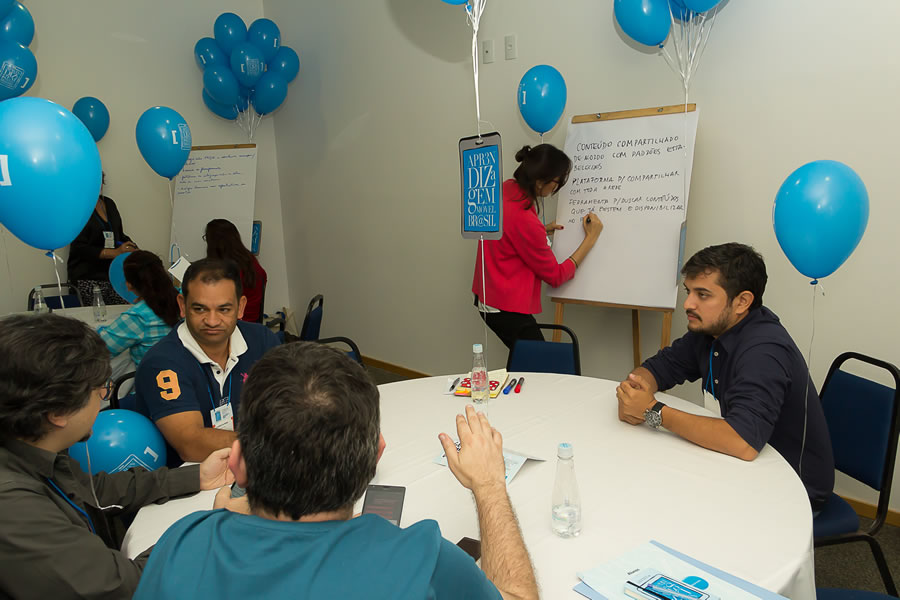
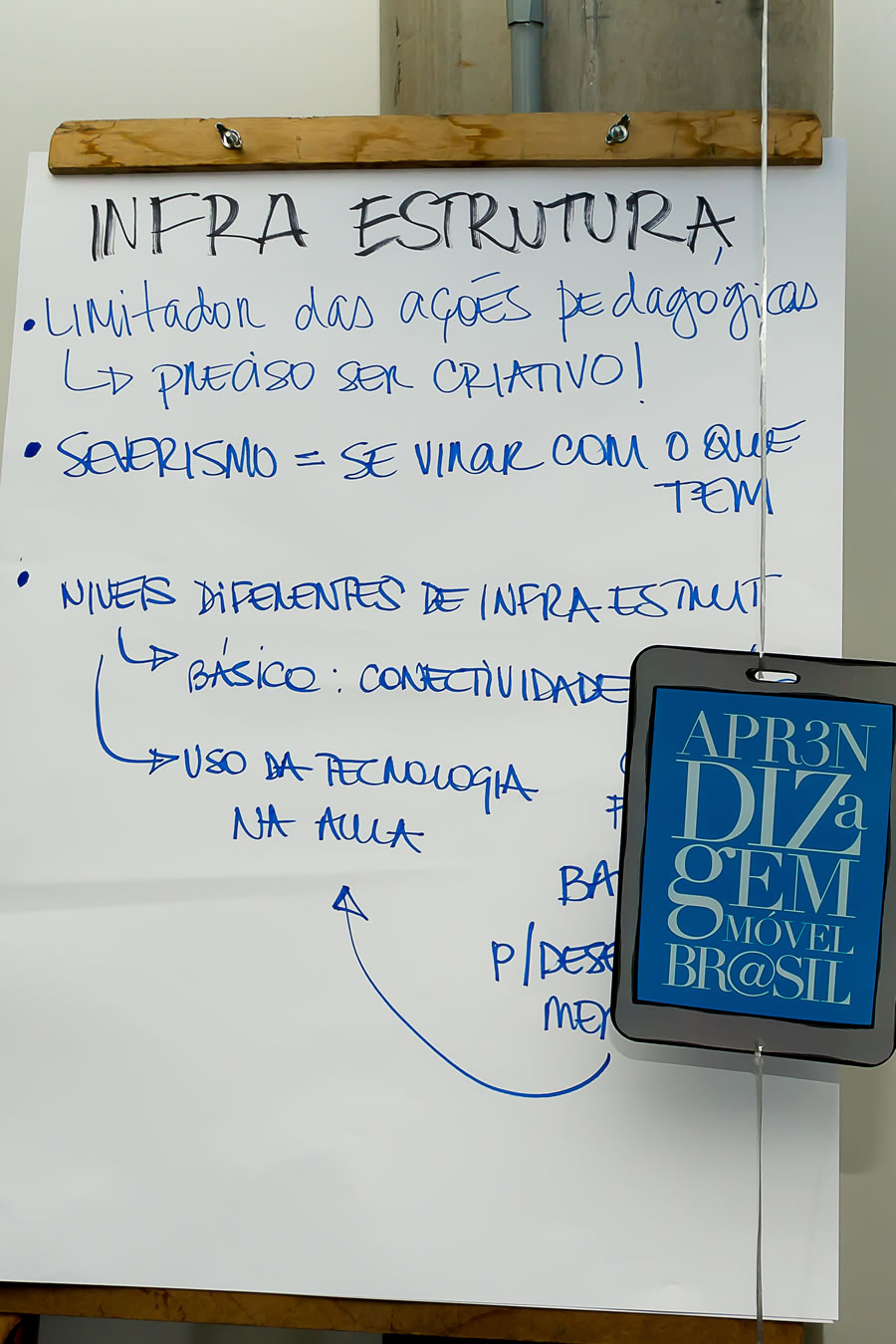
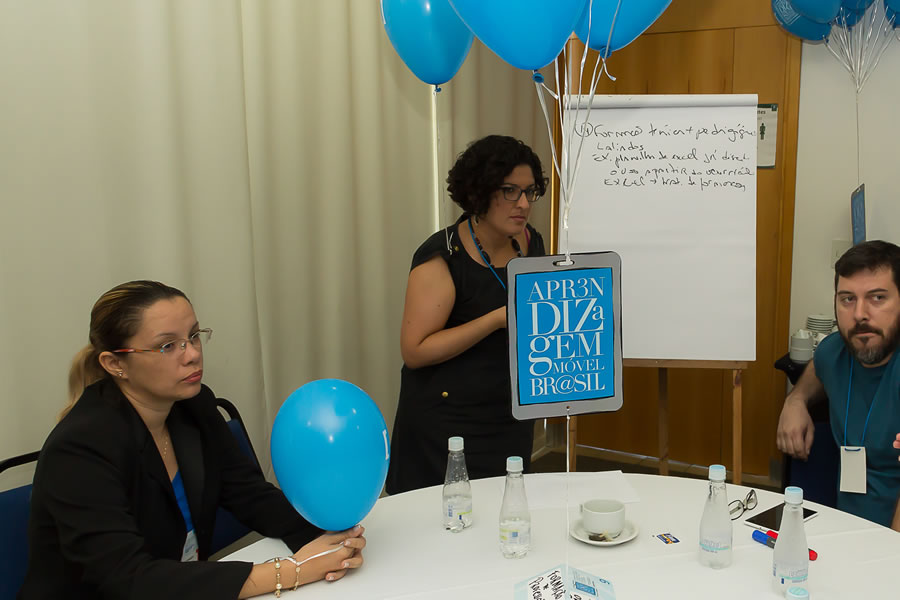
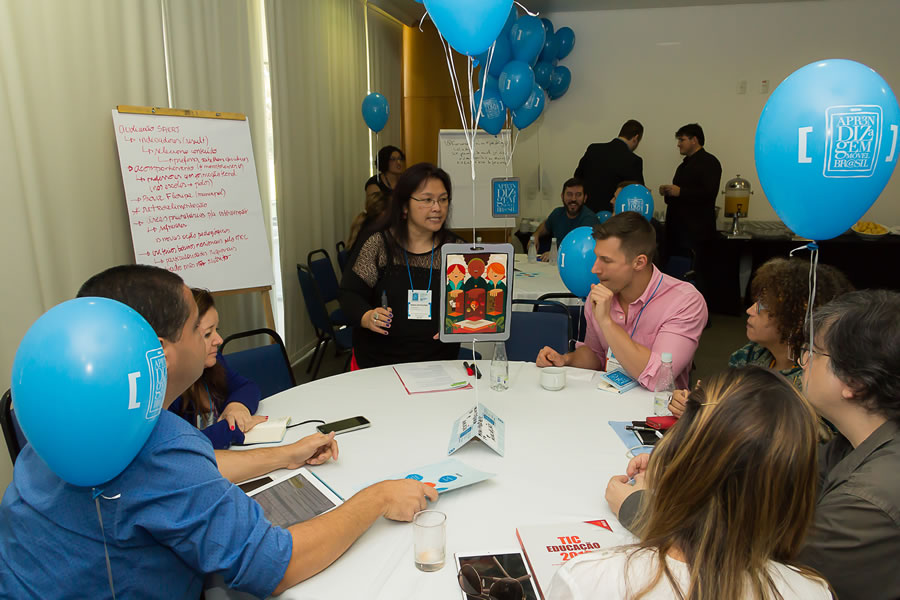
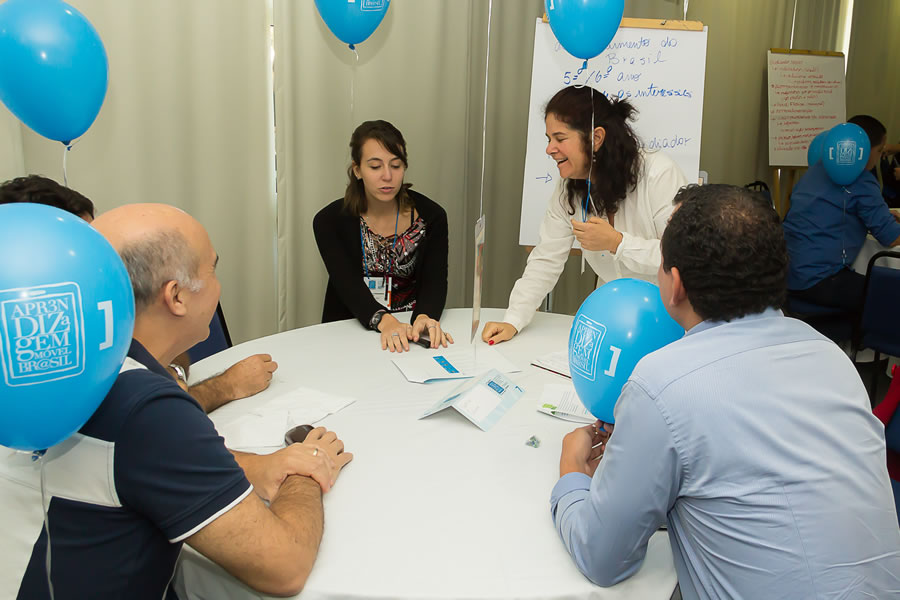
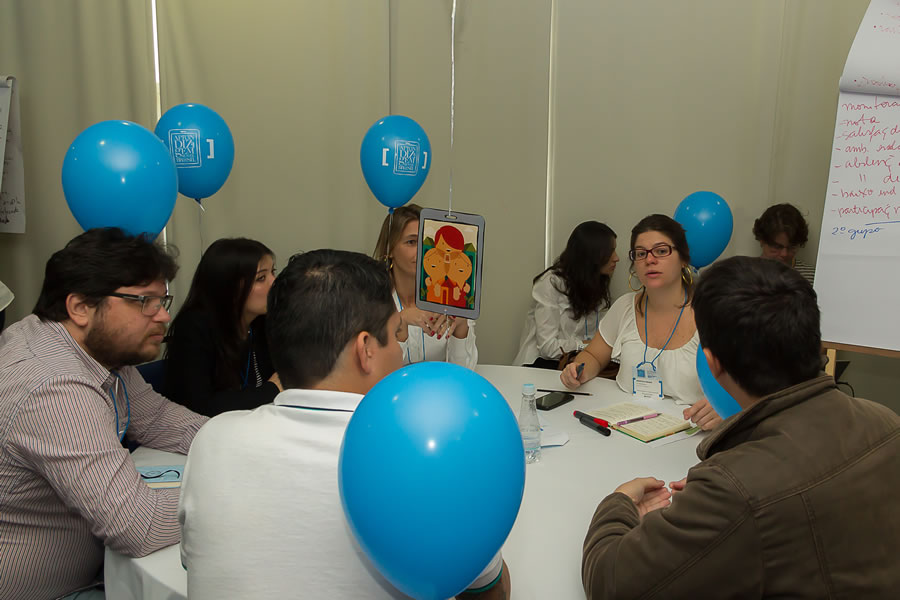
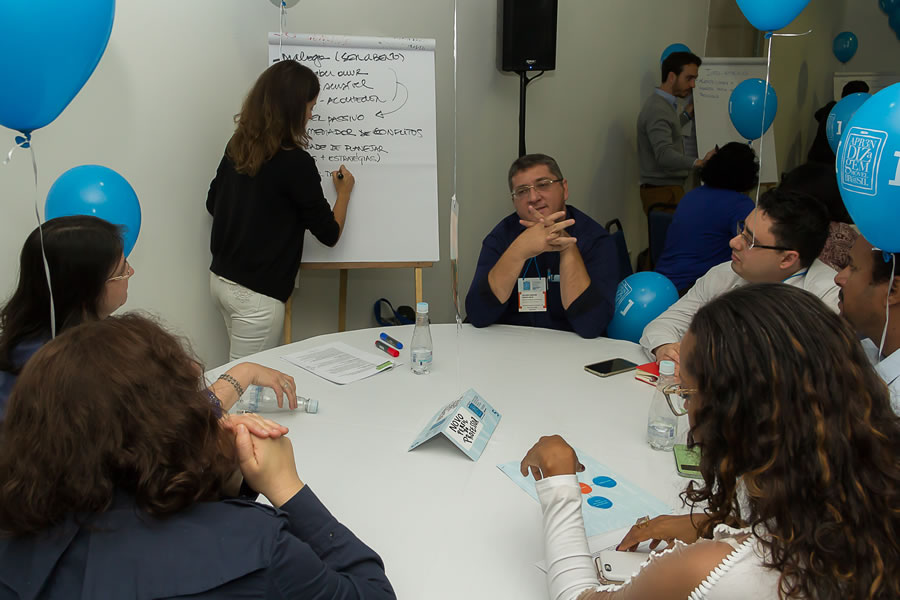
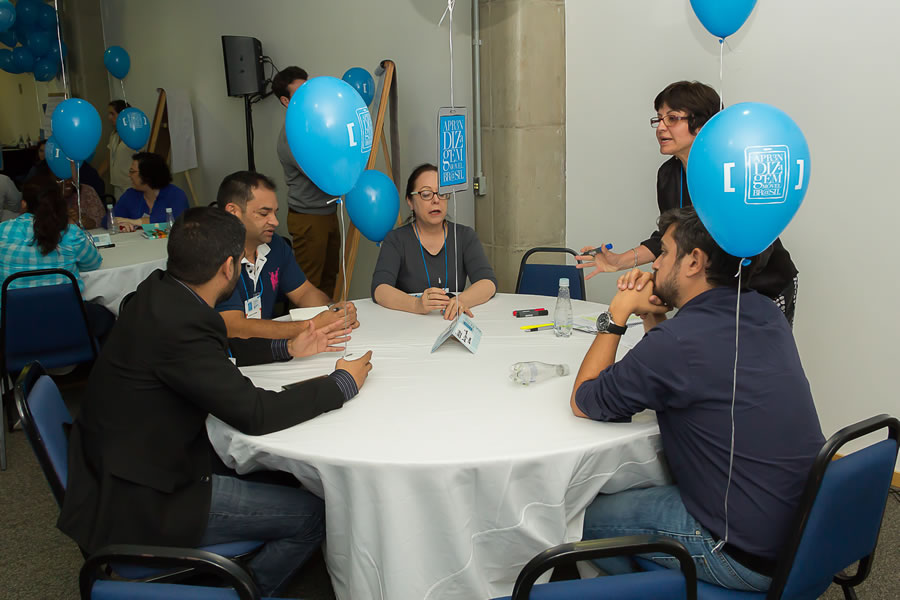
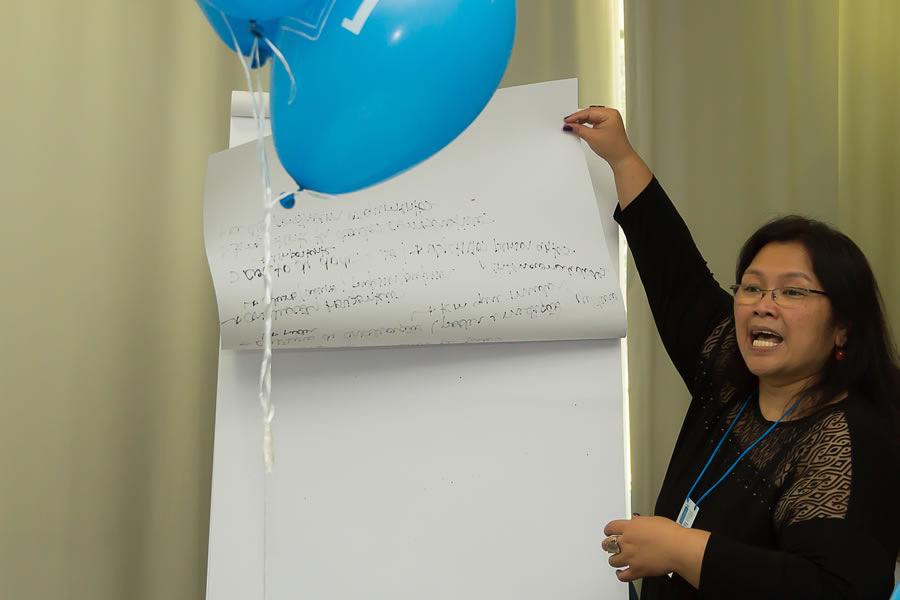
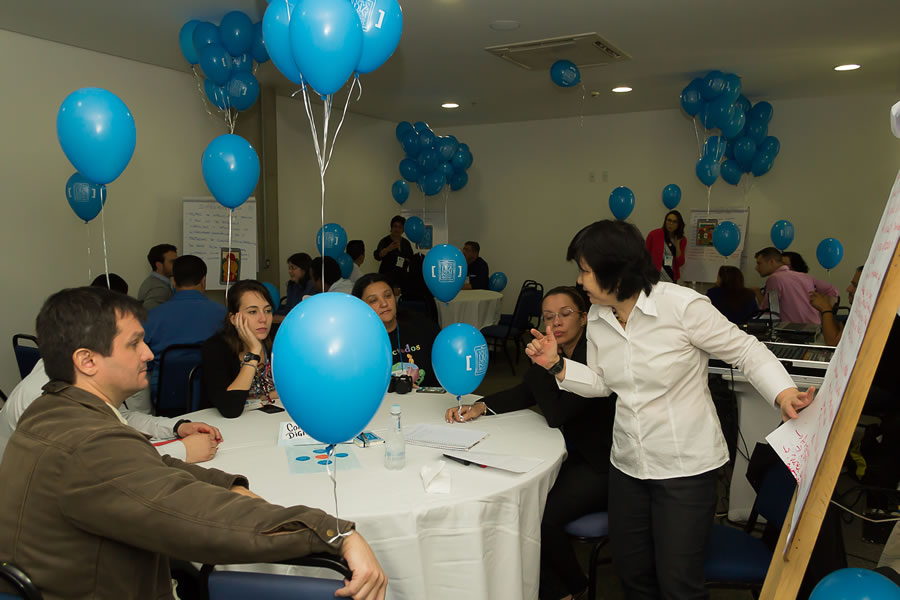
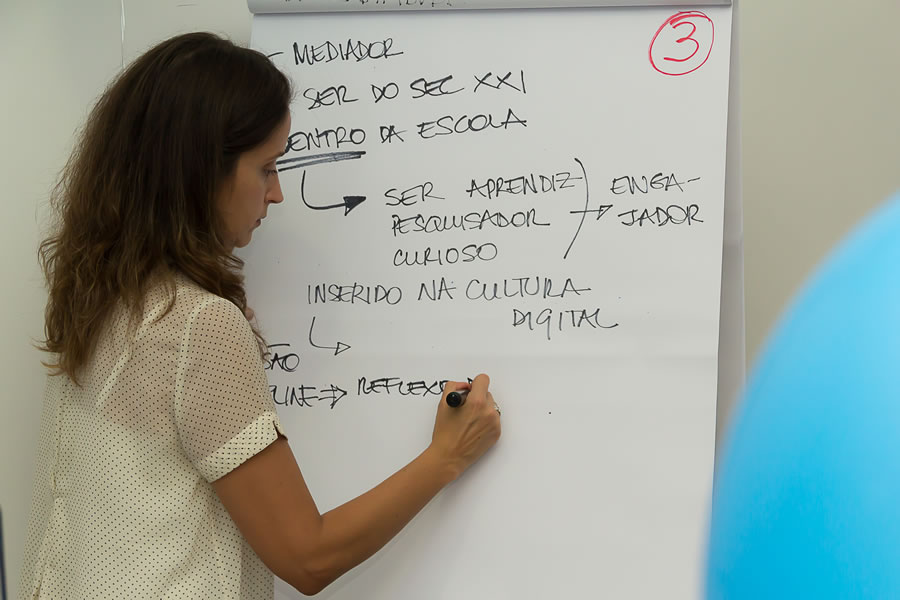
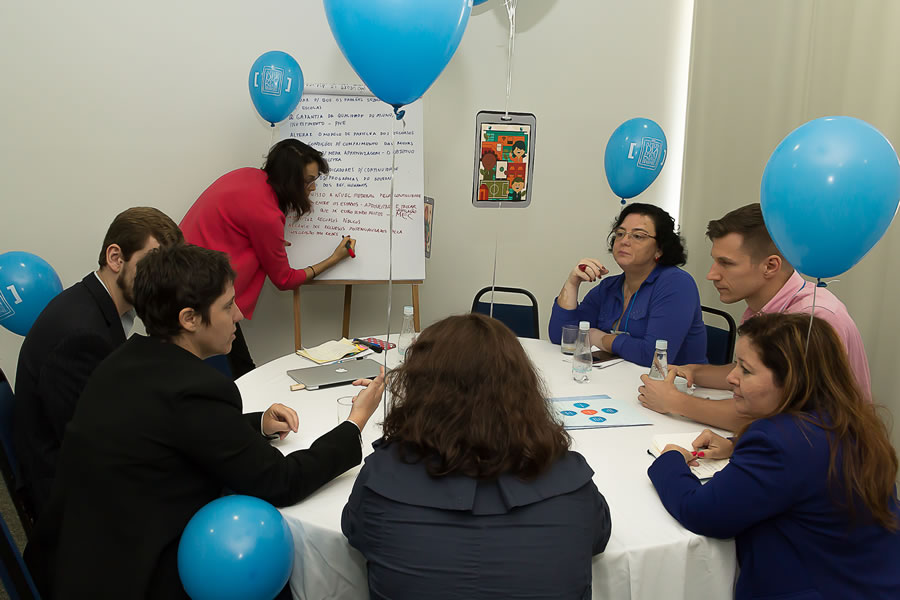
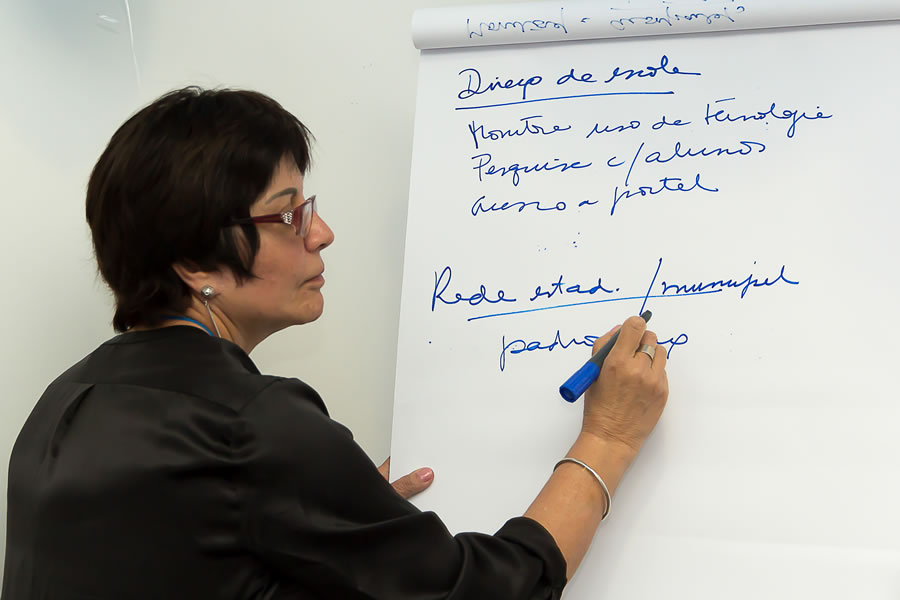
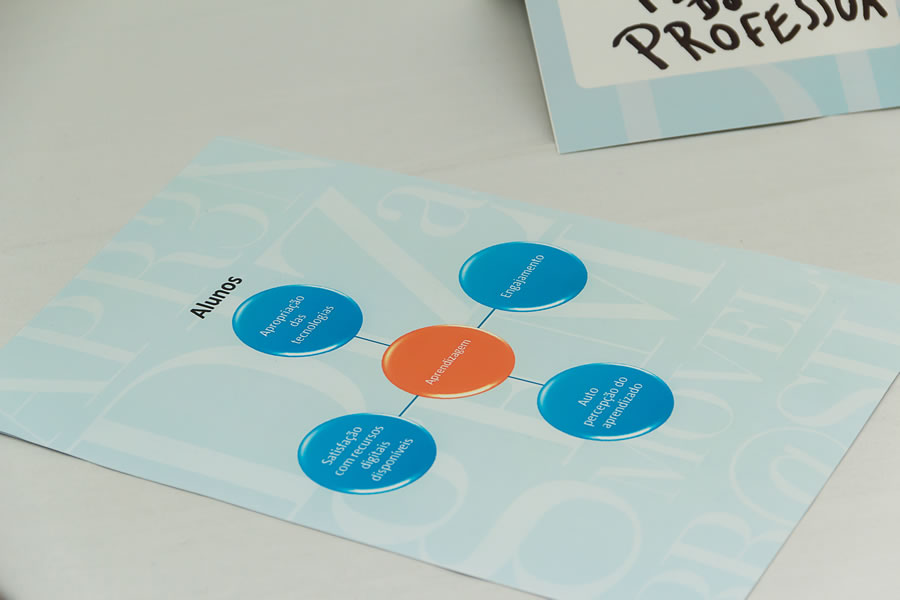
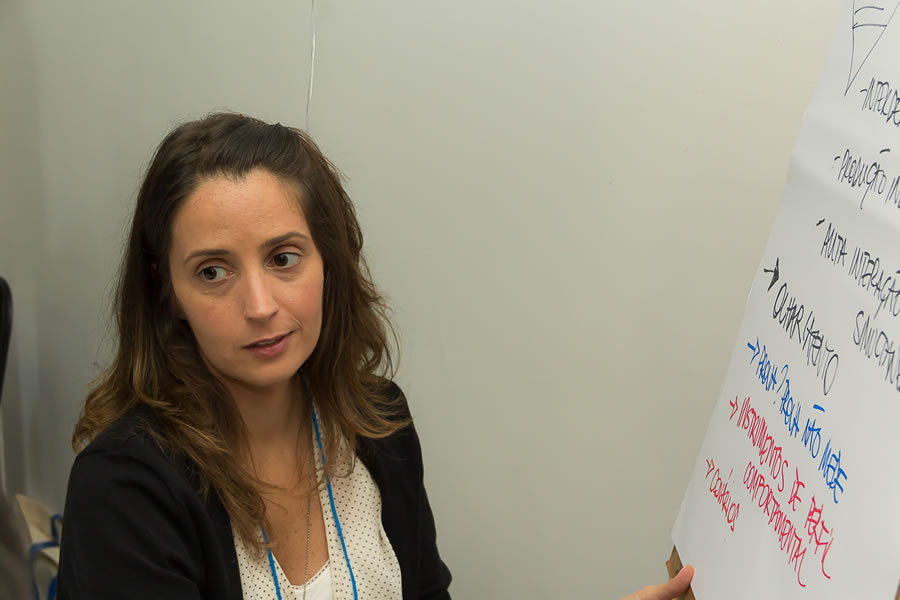
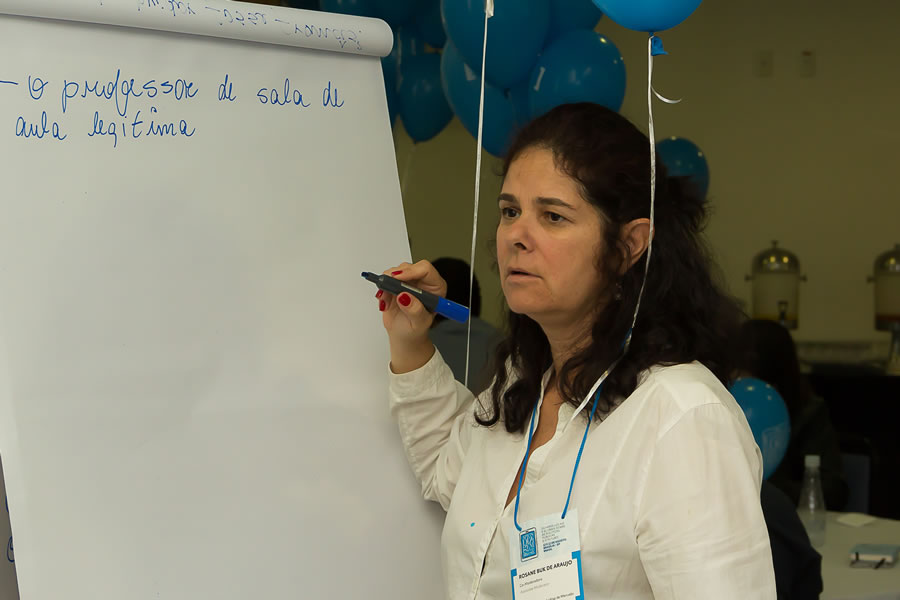
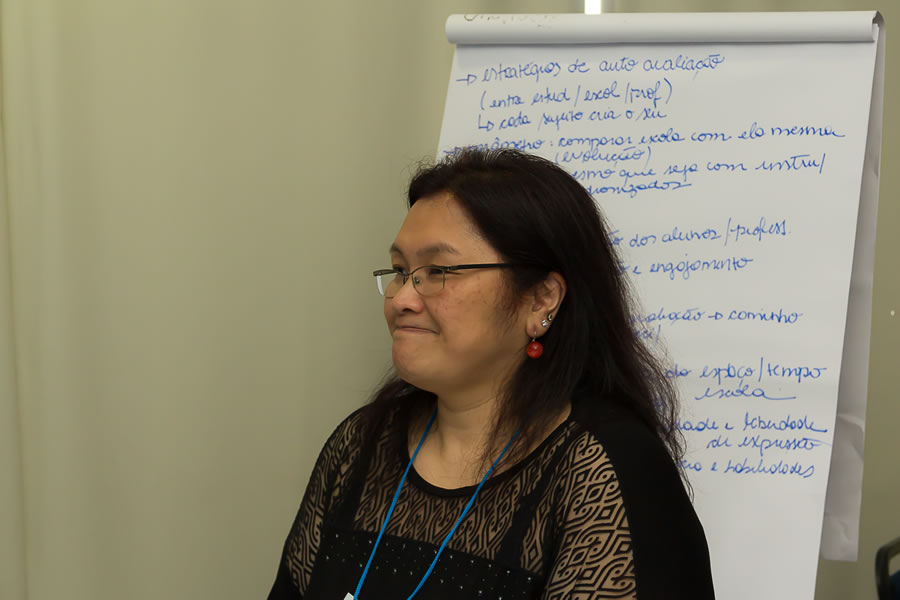
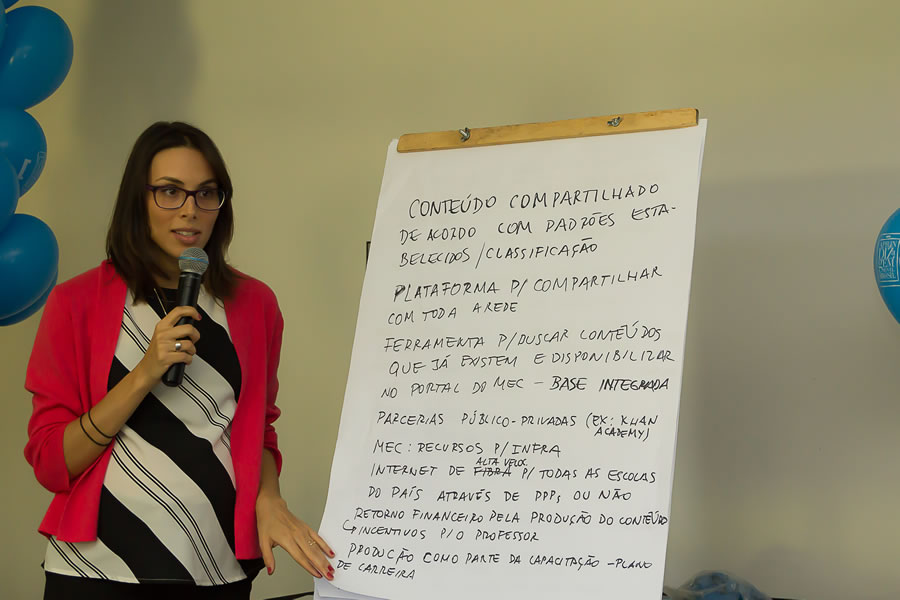
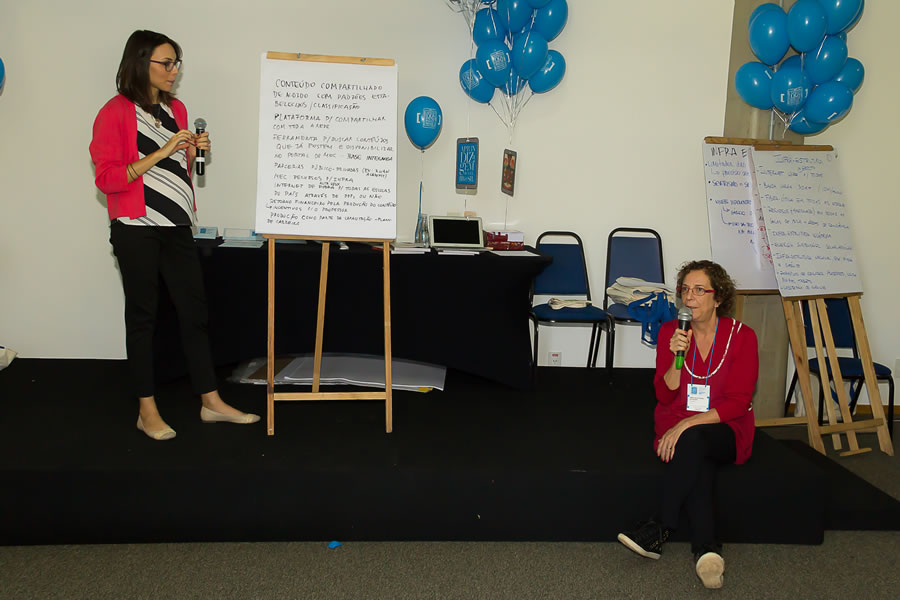
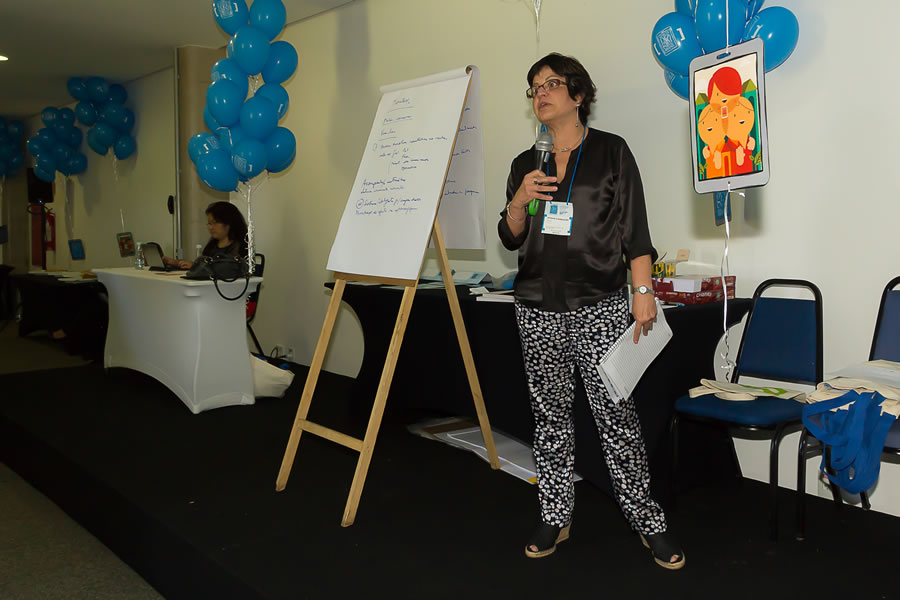
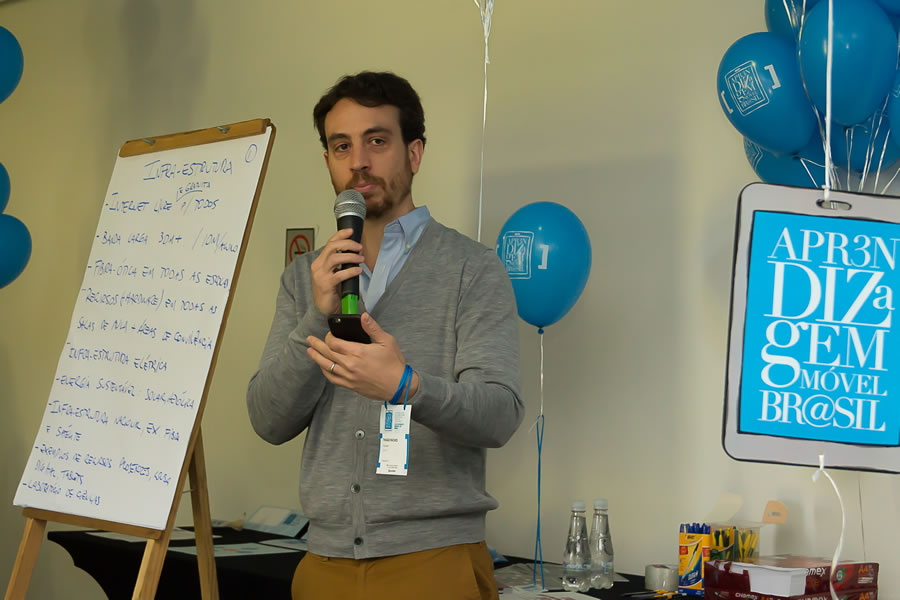
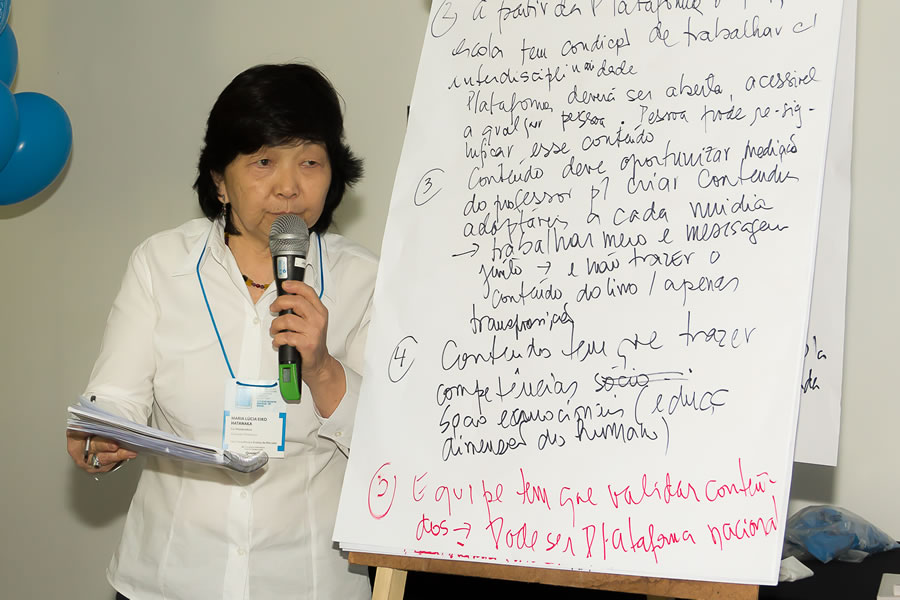
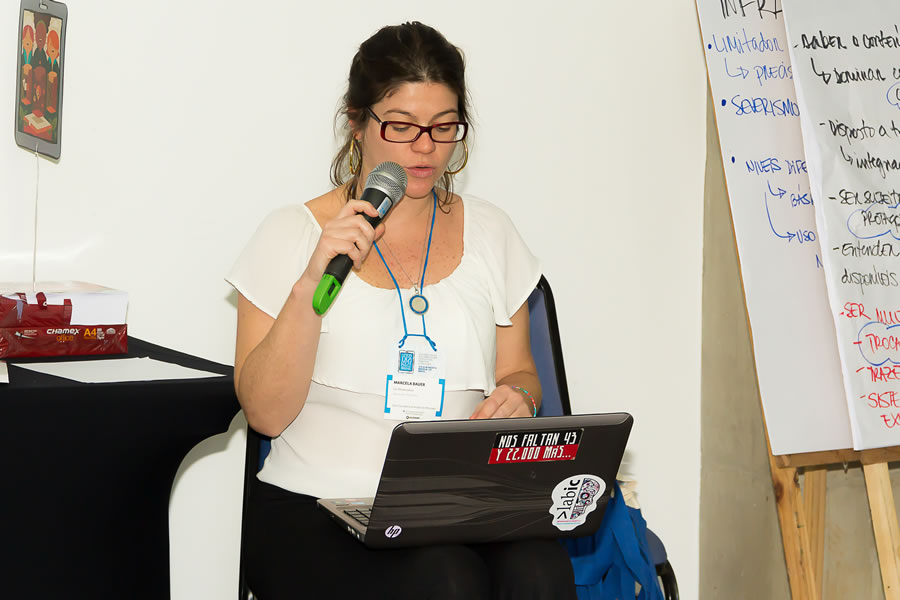
On August 13th, there will be a workshop on innovation in which pedagogical and IT professionals from the Departments of Education, the Federal Government and other sectors that have contributed to the study, will discuss the #MobileLearning that we would like for Brazil.
We look forward to your participation!
August 12th
- 08:00 - 09:00 Registration and Breakfast
- 09:00 - 09:20 Opening
Manual Palácios, Ministério da Educação
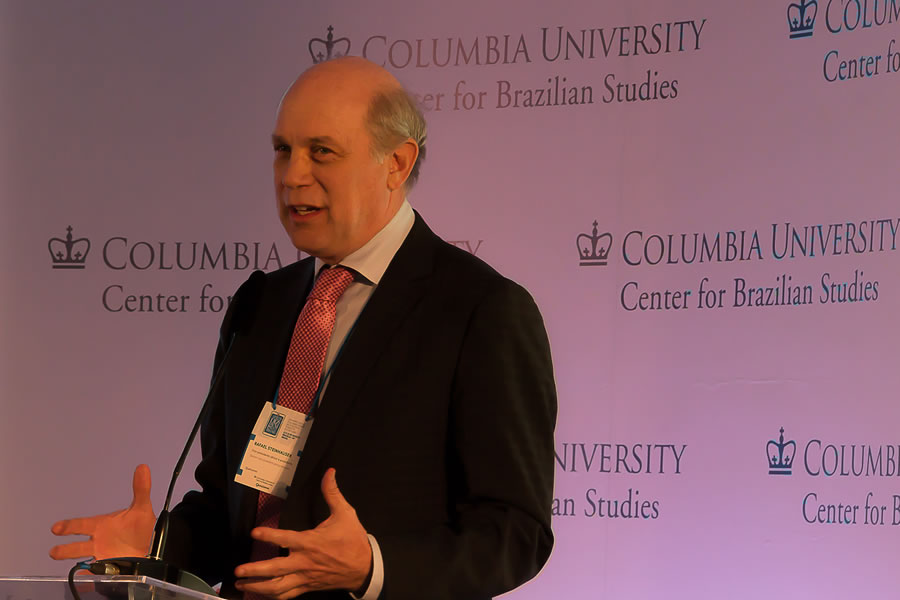
Rafael Steinhauser, Qualcomm
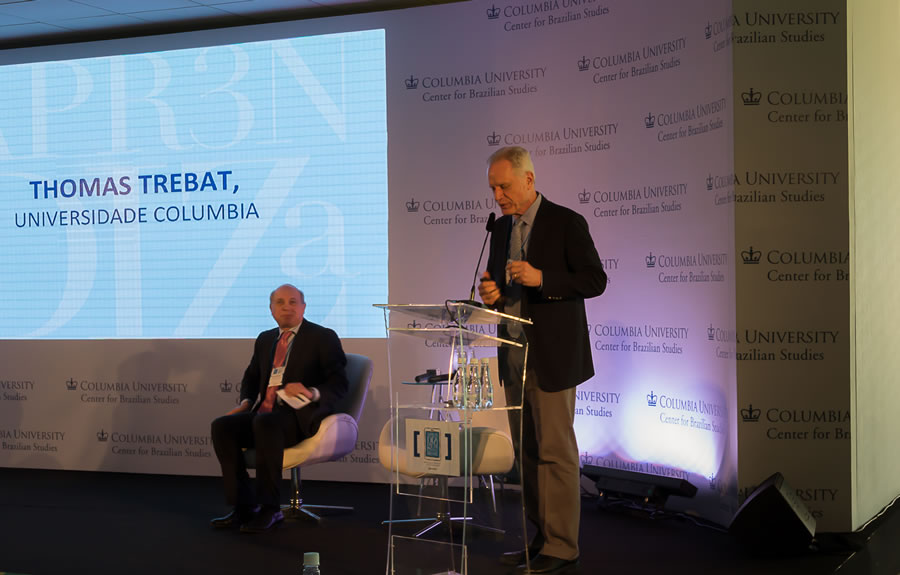
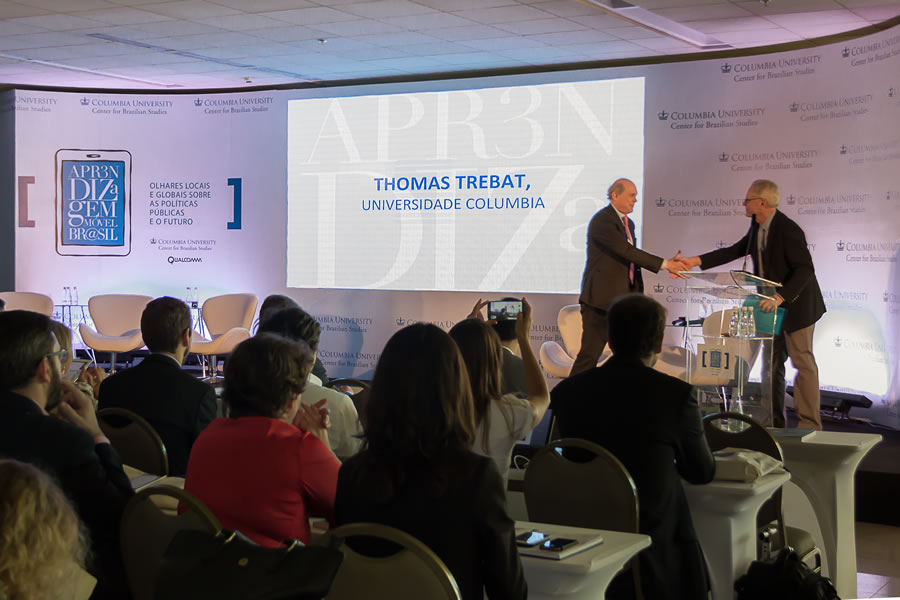
Thomas Trebat, Columbia University
mEducation in the world
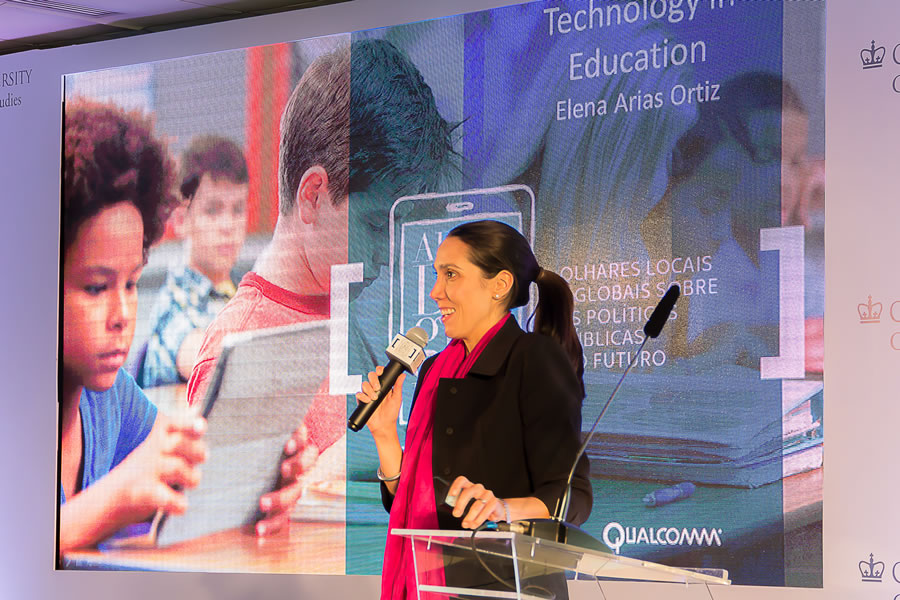
- 09:20 - 09:40 Keynote: Elena Arias Ortiz, Inter-American Development Bank
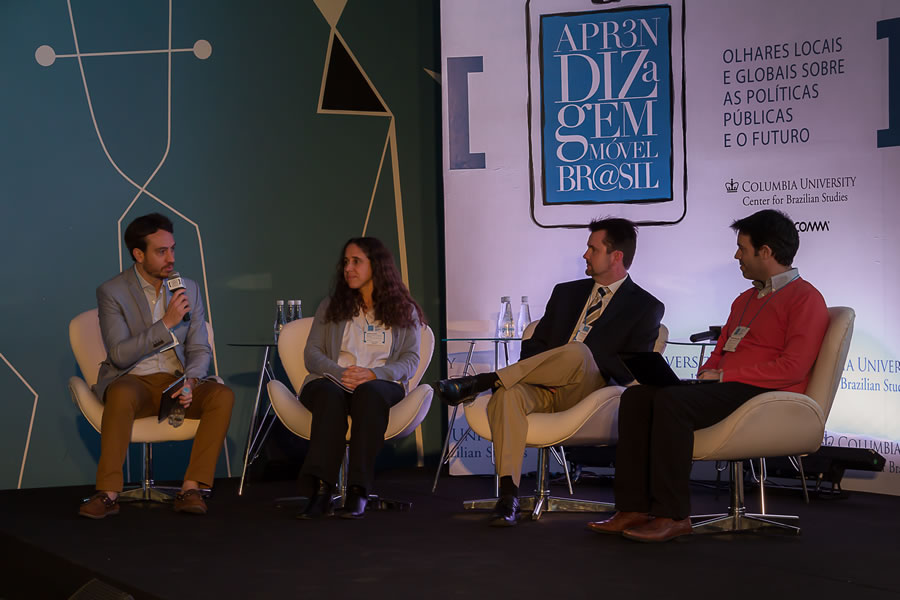
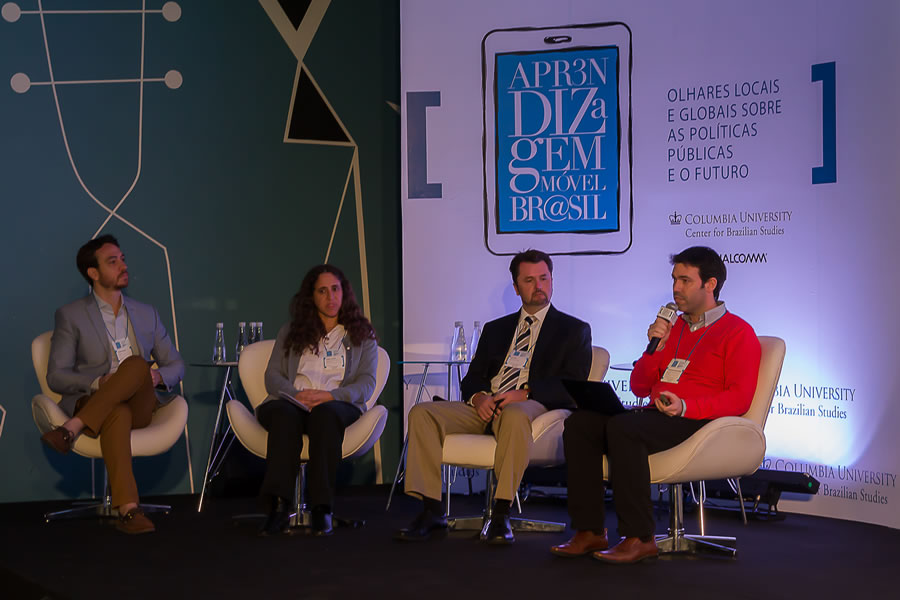
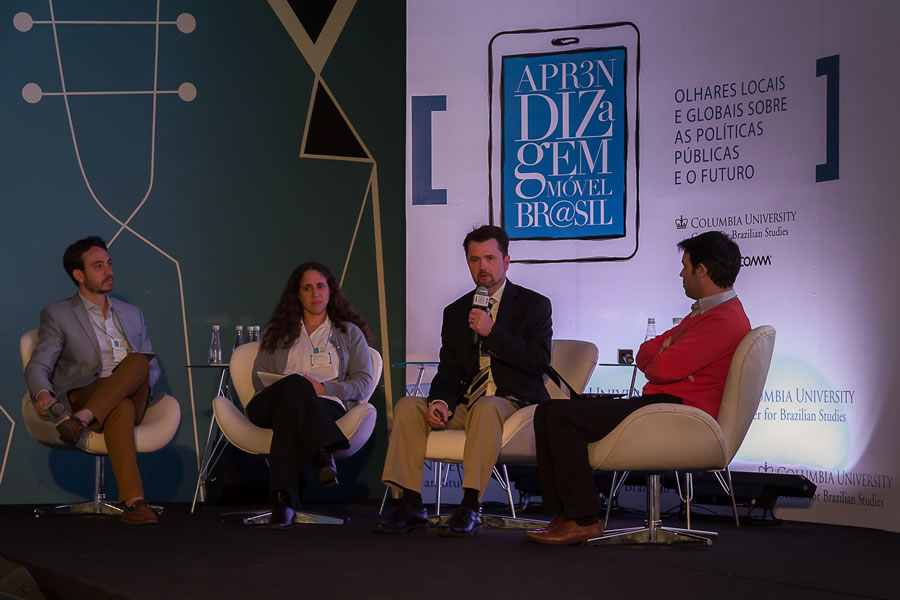
- 09:40 - 10:45 Successful cases on mobile education
Moderator: Thiago Rached, Columbia University
Fernando Salvatierra, UNESCO - Buenos Aires
Fiorella Haim, Plan Ceibal - Uruguay
Jim Klein, Saugus District - California - 10:45 - 11:00 Coffee break
mEducation in Brazil
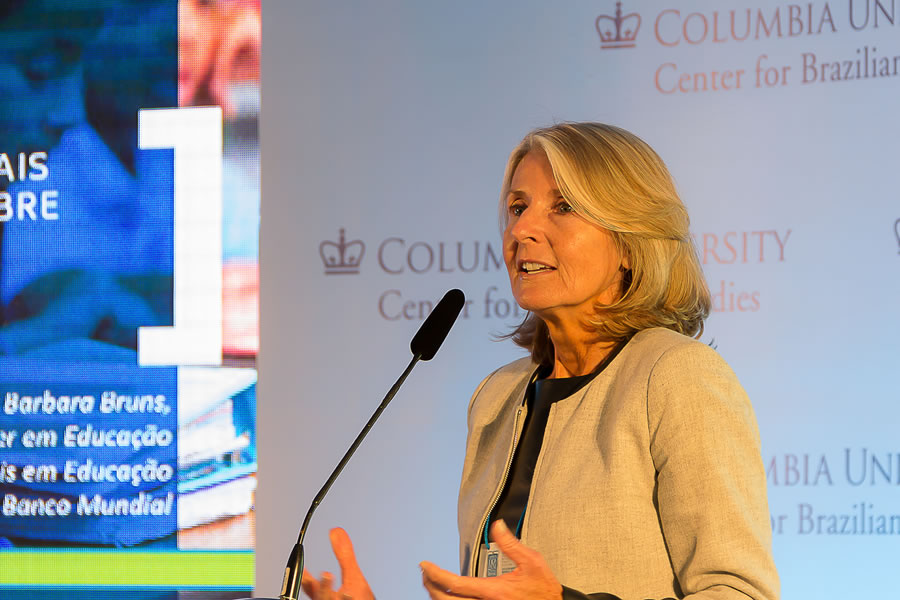
- 11:00 - 12:20 Keynote: Barbara Bruns, World Bank
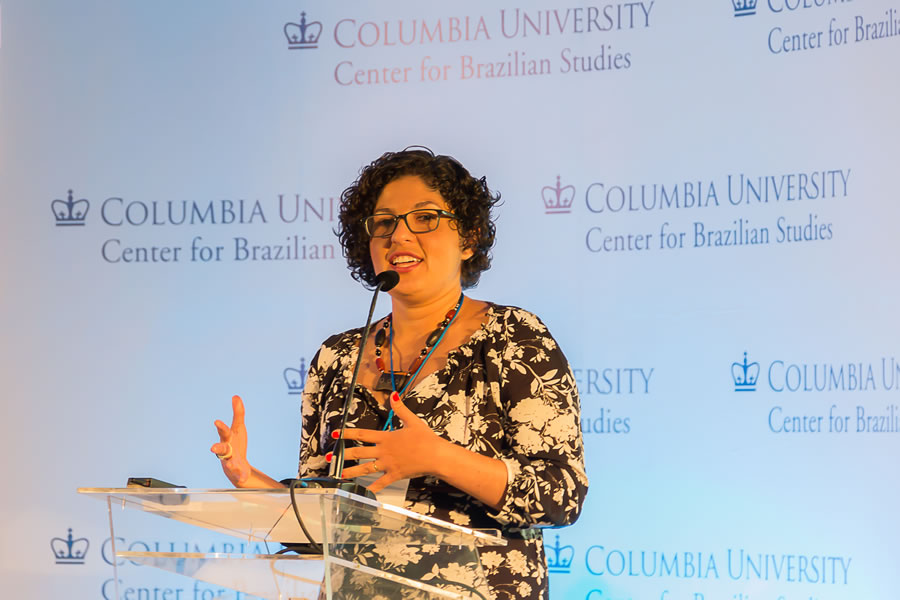
- 11:20 - 12:15 Columbia University Research Presentation and Discussion
Fernanda Rosa, Columbia University
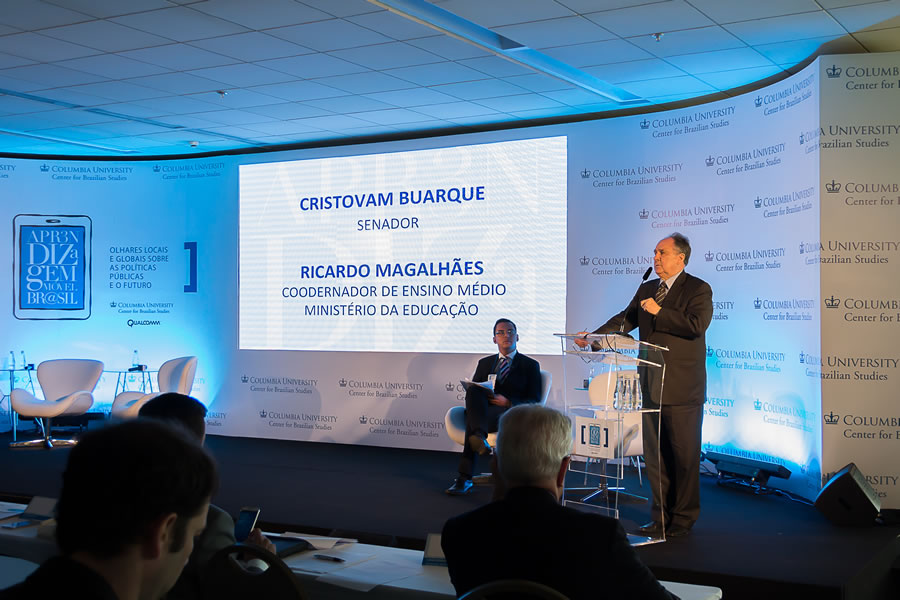
Comments: Alexandre Barbosa, CETIC.br - 12:15 - 12:35 Keynote: Cristovam Buarque, Senate
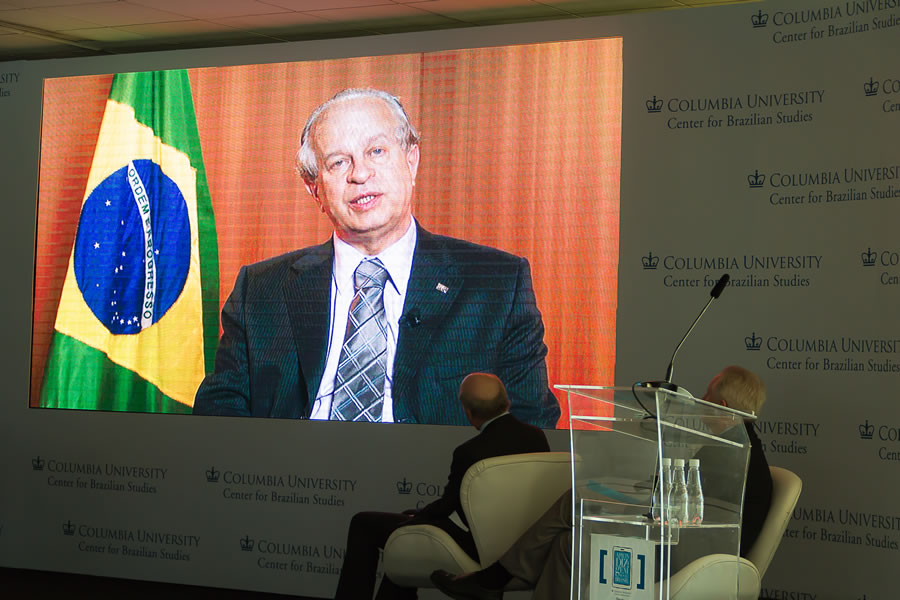
Keynote: Ricardo Magalhães, Ministry of Education - 12:35 - 13:45 Lunch
- 13:45 - 14:05 Keynote: Maximiliano Martinhão, Ministry of Communications
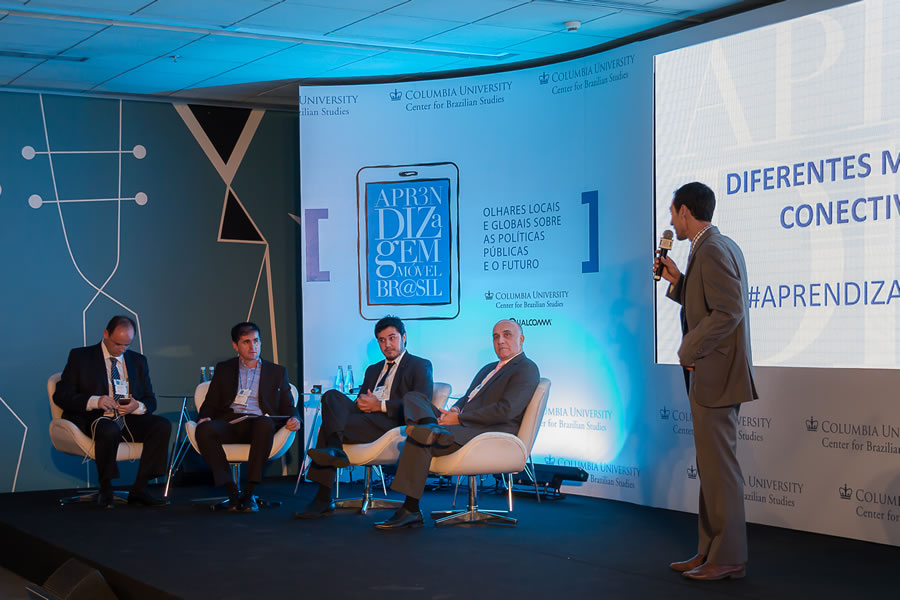
- 14:05 - 15:20 Different models of connectivity
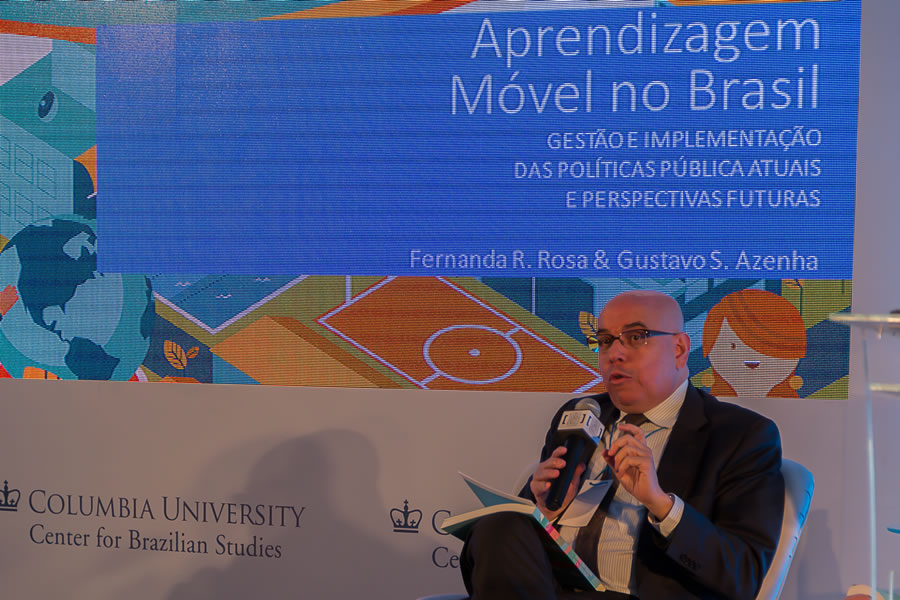
Moderator: Gustavo Azenha, Columbia University
Rossieli da Silva, State Department of Education of Amazonas
Eliezer da Silva, State Department of Education of Bahia
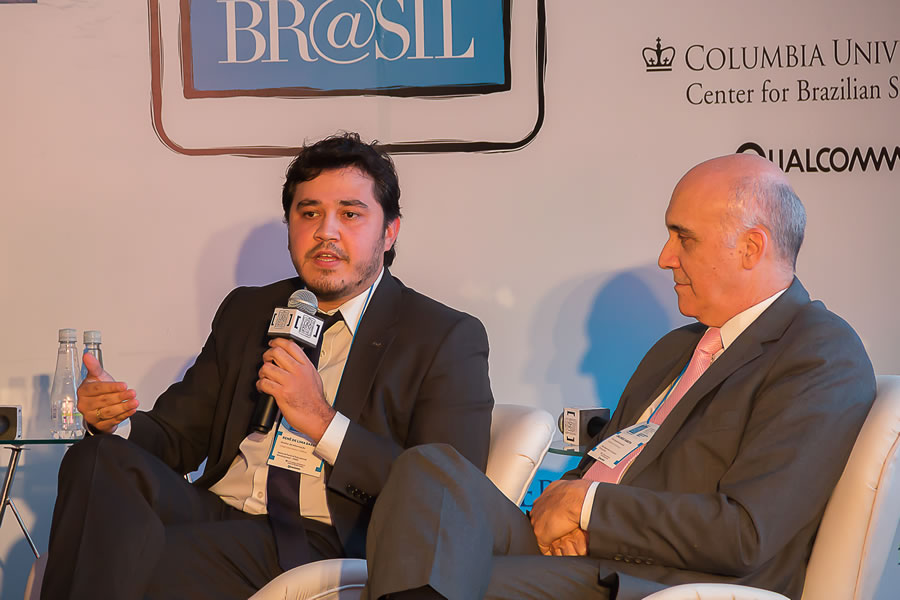
Renê de Lima Barbosa, FNDE
Orlando Saboya, State Department of Education of Rio de Janeiro - 15:20 - 16:05 Multi-sectoral partnerships and trends in connectivity
Moderator: Thomas Trebat, Columbia University
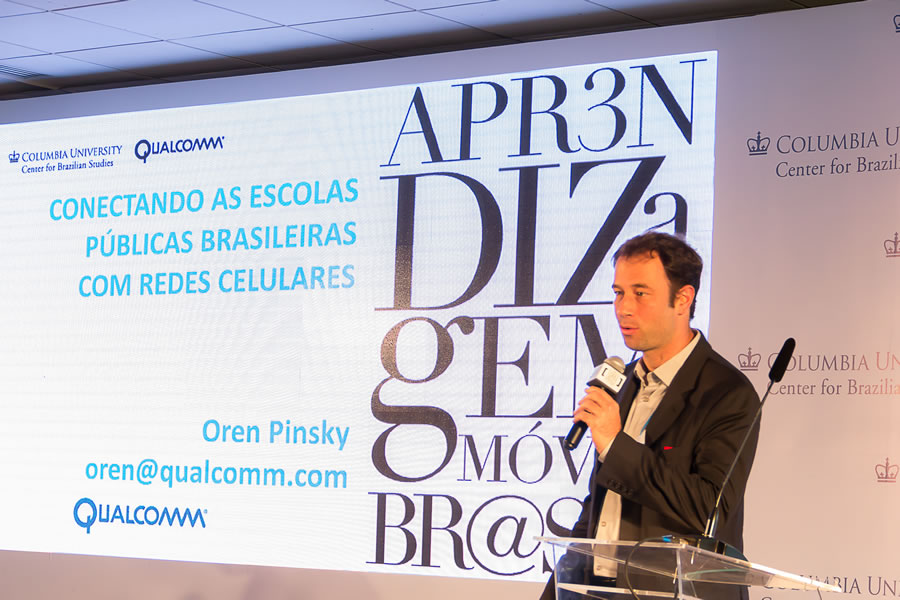
Oren Pinsky, Qualcomm
Mila Gonçalves, Telefônica Foundation - 16:05 - 16:20 Coffee break
- 16:20 - 17:30 Good practices on digital content
Moderator: Fernanda Rosa, Columbia University
Eziquiel Menta, State Department of Education of Paraná
Helena Bomeny, Municipal Department of Education of Rio de Janeiro
Felipe Rezende, EvoBooks
Leandro Holanda, Lemann Foundation
Good practices on teacher training
Moderator: Priscila Cruz, Todos pela Educação
Roberlayne Roballo, Municipal Department of Education - Curitiba
Laura Rossi, MEC
Ana Paula Bessa, State Department of Education - Rio de Janeiro
Adriana Martinelli, Singularidades - 17:30 - 17:50 Gabriela Mora, UNICEF
- 17:50 - 18:00 Closing session
Gustavo Azenha, Columbia University
-
-
Opening
Rafael Steinhouser, Qualcomm
Thomas Trebat, Universidade Columbia
Keynote
Elena Arias Ortiz, Banco Interamericano de Desenvolvimento
ApresentaçãoPainel 1 - Casos de sucesso em aprendizagem móvel
Moderador
Thiago Rached
Fernando Salvatierra, UNESCO - Buenos Aires
ApresentaçãoFiorella Haim, Plan Ceibal - Uruguai
ApresentaçãoJim Kein, Saugus District - Califórnia
ApresentaçãoKeynote
Barbara Bruns, World Bank
ApresentaçãoPainel 2 - Apresentação da Pesquisa da Universidade Columbia
Fernanda Rosa, Universidade Columbia
ApresentaçãoComentador
Alexandre Barbosa, CETIC.br
Keynote
Cristovam Buarque, Senado
Ricardo Magalhães, Ministério da Educação
Maximiliano Martinhão, Ministério das Comunicações
ApresentaçãoPainel 3 - Diferentes modelos de conectividade
Moderador
Gustavo Azenha, Universidade Columbia
Rossieli da Silva, Secretaria de Estado da Educação do Amazonas
ApresentaçãoEliezer da Silva, Secretaria de Estado da Educação da Bahia
ApresentaçãoRenê de Lima Barbosa, FNDE
ApresentaçãoOrlando Saboya, Secretaria de Estado da Educação do Rio de Janeiro
ApresentaçãoPainel 4 - Parcerias Multi-setoriais e Tendências em Conectividade
Moderador
Thomas Trebat, Universidade Columbia
Oren Pinsky, Qualcomm
ApresentaçãoMila Gonçalves, Fundação Telefônica
ApresentaçãoPainel 5 - Boas práticas em produção de conteúdo digital
Moderadora
Fernanda Rosa, Universidade Columbia
Eziquiel Menta, Secretaria de Estado da Educação do Paraná
ApresentaçãoHelena Bomeny, Secretaria Municipal de Educação do Rio de Janeiro
ApresentaçãoFelipe Rezende, EvoBooks
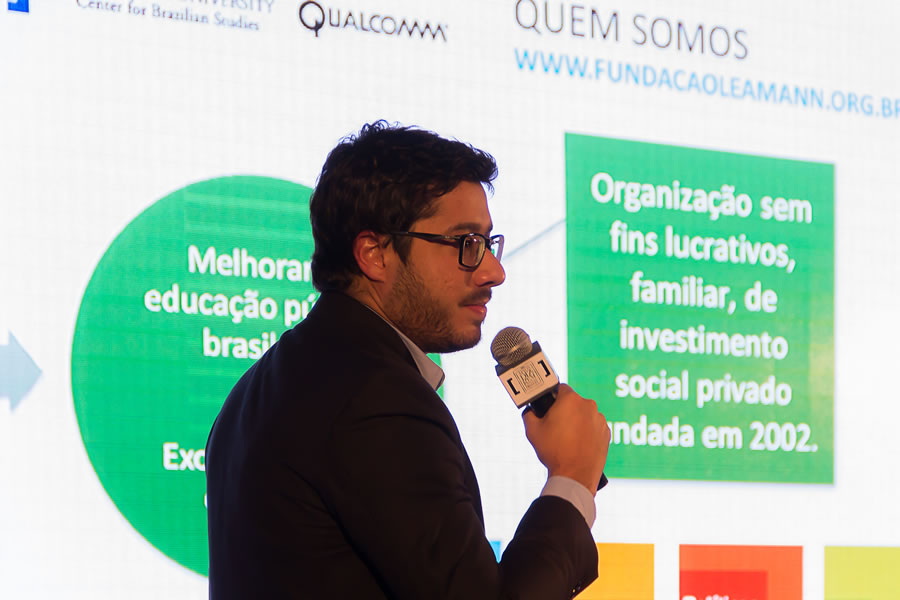
ApresentaçãoLeandro Holanda, Fundação Lemann
ApresentaçãoPainel 6 - Boas práticas em treinamento de professores
Moderadora
Priscila Cruz, Todos pela Educação
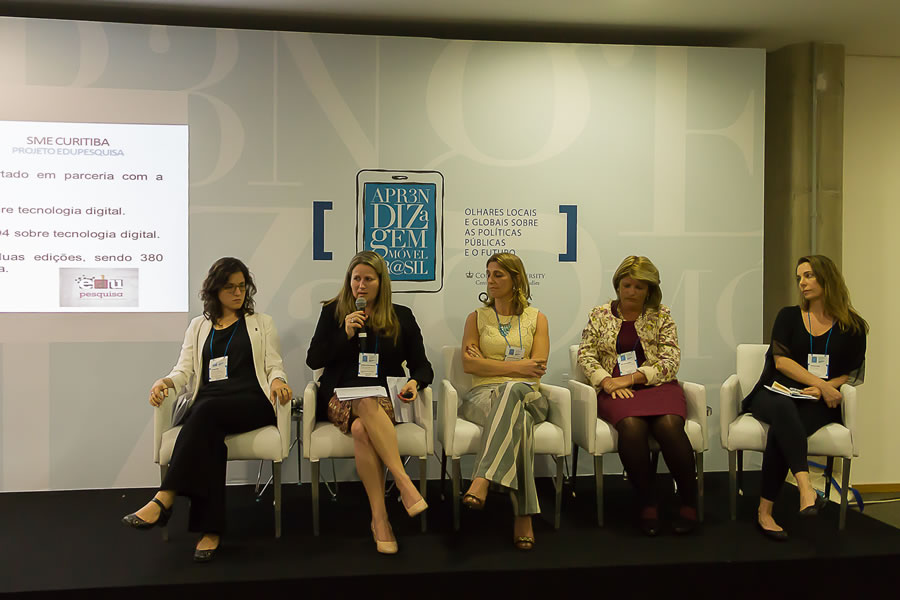
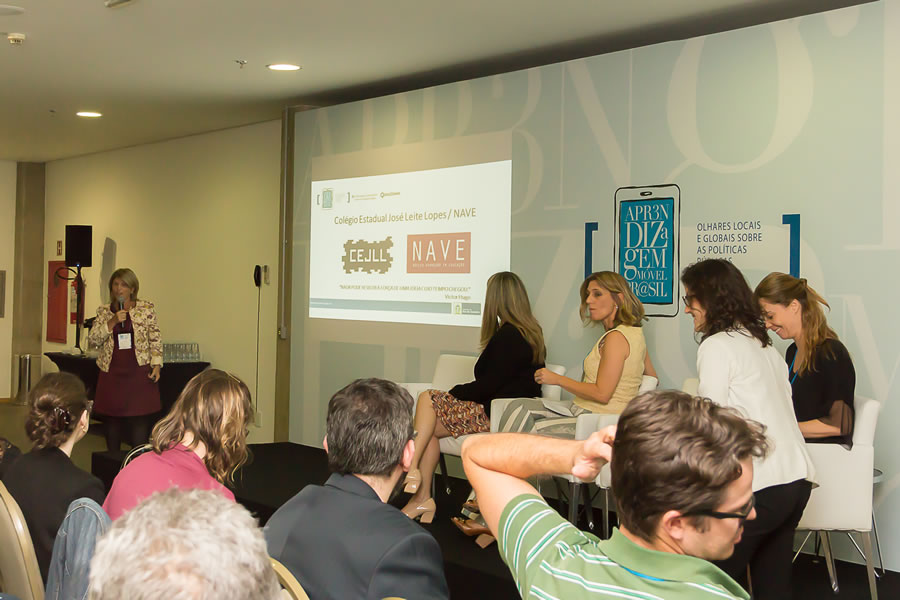
Roberlayne Roballo, Secretaria Municipal de Educação de Curitiba
ApresentaçãoLaura Rossi, MEC
ApresentaçãoAna Paula Bessa, Secretaria de Estado da Educação do Rio de Janeiro
ApresentaçãoAdriana Martinelli, Singularidades
ApresentaçãoKeynote
Gabriela Mora, UNICEF
ApresentaçãoEncerramento
Gustavo Azenha, Universidade Columbia
-
28/08/2015 - Planejamento e política com foco na aprendizagem
Estudo "Aprendizagem Móvel no Brasil", realizado pela Universidade de Columbia (EUA), aponta a necessidade de pensar além da distribuição de equipamentos nas escolas.24/08/2015 - Uso de aplicativos para celular ganha força na escola
Conteúdo para smartphone já é elemento importante de apoio; alunos e professores exploram tecnologia na aprendizagem; Especialistas cobram que recursos pagos pelo governo sejam abertos18/08/2015 - Internet chega à escola pública, mas não aos alunos
Os números oficiais sobre o nível de conectividade das escolas públicas brasileiras sugerem que o Brasil tem avançado a passos largos ao atingir a marca de 84,5 mil instituições de ensino fundamental e médio, urbanas e rurais, com acesso à internet banda larga.13/08/2015 - Aprendizagem móvel deve focar na autonomia do professor
Estudo da Universidade de Columbia defende que docentes sejam ensinados a cruzar recursos tecnológicos com conteúdos12/08/2015 - Conectividade em escolas públicas não está tão bem como informam dados oficiais, diz pesquisa
Os números oficiais sobre o nível de conectividade nas escolas públicas brasileiras demonstram que o Brasil tem avançado a passos largos ao atingir atualmente a marca de 84,5 milhões de instituições de ensino urbanas e rurais com acesso à internet banda larga.12/08/2015 - Apenas 7% dos alunos usam internet nas escolas públicas
Pesquisa mostra baixa adesão à tecnologia apesar de 99% das públicas terem computadores e 95% delas terem acesso à rede -
CONTACT THE AUTHORS